
Is The U.S. Really a Low-Tax Country?

Many U.S. taxpayers feel that our country’s taxes are too high, no matter which economic class you’re in. Likewise, regardless of which side of the political world you rest, most people would agree that the U.S. tax system needs some serious upgrading, and not just some fine-tuning. However, it appears that compared to many of the other developed countries in the world, the U.S. is actually on the low end of the tax scale.
According to the Organization for Economic Cooperation and Development, some of the most recent numbers show that about 30 other developed economies have higher taxes than the United States. In 2014, the U.S. government collected 26 percent of the gross domestic product revenue, which was way below the average of the rest of the world, which is 34.4 percent.
Of the 30 countries included in the report, there were only three economies that had a smaller tax percentage than the United States: South Korea, Chile and Mexico. Denmark leads the list with the highest percentage; a whopping 50.9 percent, and France, Italy, the U.K. and Germany were all over 30 or even 40 percent as well.
So why do U.S. taxpayers complain so much about taxes, if the country is actually towards the bottom of the list? It’s because the U.S. is the only country on the list that doesn’t use a Value Added Tax, or VAT. A VAT helps supplement revenue from other sources, which raises nearly 7 percent of the GDP in these countries. The U.S., on the other hand, has to count on other taxes to supplement its revenue because it does not have a VAT. And that won’t likely change any time soon.

Steve Young on Building an Epic Family Legacy
Retired 49r Steve Young Discusses Building a Family Legacy at the Legacy Builders Event on May 15, 2024 As GROCO celebrates three decades of excellence in family office tax and advisory services, we have developed the Legacy Builders to stands as a testament to the firm’s enduring vision: to transform wealth into a powerful tool…
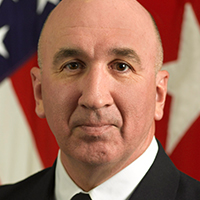
Leadership, Duty, Honor & Country With Lt. Gen. Mike Barbero
Retired US Army Lieutenant General, Michael D. Barbero, discusses leadership, service, duty, honor, and country on Alan Olsen‘s American Dreams Show. Transcript: Alan Olsen Hi, this is Alan Olsen and welcome to American Dreams. My guest today is General Michael Barbero. General, welcome to today’s show. Mike Barbero Thanks, Alan, how are you? Thanks for having me. It’s…
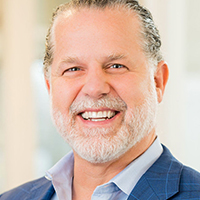
Regenerative Medicine and Creating Health with Dr. David Haase
Dr. David Haase, Founder of the MaxWell Clinic discusses regenerative medicine and creating health on Alan Olsen‘s American Dreams Show. Transcript: Alan Olsen Welcome to American Dreams. My guest today is David Haase. David, welcome to the show. David Haase Thanks, Alan. Alan Olsen So do you have a remarkable background and career obviously that…
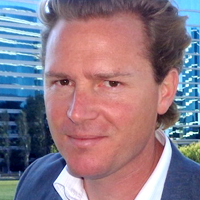
VC Success With Silicon Valley Veteran Andrew Romans
Andrew Romans, General Partner of 7BC Venture Capital, Author, and University Professor discusses navigating Silicon Valley, venture capital (VC), startup success, and the future of tech investment on Alan Olsen‘s American Dreams Show. Transcript: Alan Olsen Welcome to American Dreams. My guest today is Andrew Romans. Andrew, welcome to today’s show. Andrew Romans Thank you so…