Bookkeeping: What Kind of Records Should I Keep?
Bookkeeping: What Kind of Records Should I Keep?
You may choose any recordkeeping system suited to your business that clearly shows your income and expenses. Except in a few cases, the law does not require any special kind of records. However, the business you are in affects the type of records you need to keep for federal tax purposes. Your recordkeeping system should also include a summary of your business transactions. This summary is ordinarily made in your business books (for example, accounting journals and ledgers). Your books must show your gross income, as well as your deductions and credits. For most small businesses, the business checkbook is the main source for entries in the business books.
Bookkeeping Supporting Business Documents
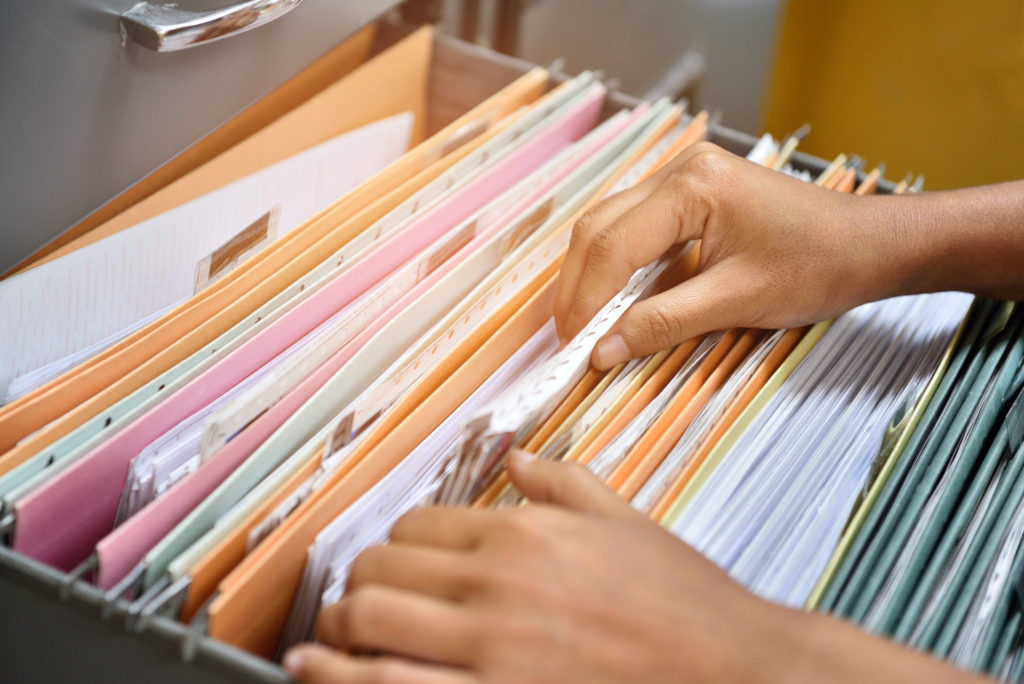
Purchases, sales, payroll, and other transactions you have in your business will generate supporting documents such as invoices and receipts. Supporting documents include sales slips, paid bills, invoices, receipts, deposit slips, and canceled checks. These documents contain the information you need to record in your books. It is important to keep these documents because they support the entries in your books and on your tax return. You should keep them in an orderly fashion and in a safe place. For instance, organize them by year and type of income or expense. For more detailed information refer to Publication 583, Starting a Business and Keeping Records .
The following are some of the types of records you should keep:
Gross Recipts
Gross receipts are the income you receive from your business. You should keep supporting documents that show the amounts and sources of your gross receipts. Documents for gross receipts include the following:
- Cash register tapes
- Bank deposit slips
- Receipt books
- Invoices
- Credit card charge slips
- Forms 1099-MISC
Purchases
Purchases are the items you buy and resell to customers. If you are a manufacturer or producer, this includes the cost of all raw materials or parts purchased for manufacture into finished products. Your supporting documents should show the amount paid and that the amount was for purchases. Documents for purchases include the following:
- Canceled checks
- Cash register tape receipts
- Credit card sales slips
- Invoices
Expenses
Expenses are the costs you incur (other than purchases) to carry on your business. Your supporting documents should show the amount paid and that the amount was for a business expense. Documents for expenses include the following:
- Canceled checks
- Cash register tapes
- Account statements
- Credit card sales slips
- Invoices
- Petty cash slips for small cash payments
Travel, Transportation, Entertainment, and Gift Expenses
If you deduct travel, entertainment, gift or transportation expenses, you must be able to prove (substantiate) certain elements of expenses. For additional information on how to prove certain business expenses, refer to Publication 463, Travel, Entertainment, Gift, and Car Expenses.
Assets
Assets are the property, such as machinery and furniture, that you own and use in your business. You must keep records to verify certain information about your business assets. You need records to compute the annual depreciation and the gain or loss when you sell the assets.
Employment taxes
There are specific employment tax records you must keep. Keep all records of employment for at least four years.
We hope you found this article about “Bookkeeping: What Kind of Records Should I Keep?” helpful. If you have questions or need expert tax or family office advice that’s refreshingly objective (we never sell investments), please contact us or visit our Family office page or our website at www.GROCO.com. Unfortunately, we no longer give advice to other tax professionals gratis.
To receive our free newsletter, contact us here.
Subscribe our YouTube Channel for more updates.
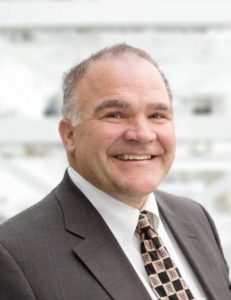
Alan Olsen, is the Host of the American Dreams Show and the Managing Partner of GROCO.com. GROCO is a premier family office and tax advisory firm located in the San Francisco Bay area serving clients all over the world.
Alan L. Olsen, CPA, Wikipedia Bio

GROCO.com is a proud sponsor of The American Dreams Show.

The American Dreams show was the brainchild of Alan Olsen, CPA, MBA. It was originally created to fill a specific need; often inexperienced entrepreneurs lacked basic information about raising capital and how to successfully start a business. Alan sincerely wanted to respond to the many requests from aspiring entrepreneurs asking for the information and introductions they needed. But he had to find a way to help in which his venture capital clients and friends would not mind.
The American Dreams show became the solution, first as a radio show and now with YouTube videos as well. Always respectful of interview guest’s time, he’s able to give access to individuals information and inspiration previously inaccessible to the first-time entrepreneurs who need it most. They can listen to venture capitalists and successful business people explain first-hand, how they got to where they are, how to start a company, how to overcome challenges, how they see the future evolving, opportunities, work-life balance and so much more..
American Dreams discusses many topics from some of the world’s most successful individuals about their secrets to life’s success. Topics from guest have included:
Creating purpose in life / Building a foundation for their life / Solving problems / Finding fulfillment through philanthropy and service / Becoming self-reliant / Enhancing effective leadership / Balancing family and work…

MyPaths.com (Also sponsored by GROCO) provides free access to content and world-class entrepreneurs, influencers and thought leaders’ personal success stories. To help you find your path in life to true, sustainable success & happiness. It’s mission statement:
In an increasingly complex and difficult world, we hope to help you find your personal path in life and build a strong foundation by learning how others found success and happiness. True and sustainable success and happiness are different for each one of us but possible, often despite significant challenges. Our mission at MyPaths.com is to provide resources and firsthand accounts of how others found their paths in life, so you can do the same.
Turning Ordinary Lives into Living Legacies
“There was a measurable connection between how well they knew their family stories and how successful they were.” — Kasia Flanagan, founder of Everyday Legacies When historian‑turned‑biographer Kasia Flanagan examined the lives of mixed‑race German‑Samoan descendants for her PhD, she expected to chart migration patterns and cultural shifts. What she didn’t expect was the data point that changed her career:…

Roy Moëd on Turning Memories Into Masterpieces
“There are two dates: you’re born and you die — but it’s the dash in between that tells your story.”– Roy Moëd In an age of scrolling feeds and vanishing digital memories, Roy Moëd is championing something different — something timeless. Through his company LifeBook Memoirs, he’s helping individuals turn their life stories into beautifully…

Mark Lutz: A Lifelong Mission to End Extreme Poverty
When Mark Lutz speaks about eradicating extreme poverty, his passion emanates from a lifetime of service and firsthand experiences around the world. Lutz, Senior Vice President of Global Philanthropy at Opportunity International, has spent more than four decades raising funds for missions and microfinance—transforming countless lives in the process. A Childhood Shaped by Apartheid Born…

Aaron Manoucheri: Building a Multi Generation Legacy in Real Estate
Aaron Manoucheri, a third-generation real estate investor and partner at Manoucheri Brothers LLC, understands the delicate balance between tradition and innovation in the family business. In a recent interview on American Dreams, he shared his journey, philosophy, and insights on navigating the ever-changing real estate landscape while maintaining a deep connection to his roots. A Legacy…