
How Are Some Big U.S. Companies Shrinking Their Tax Bill?
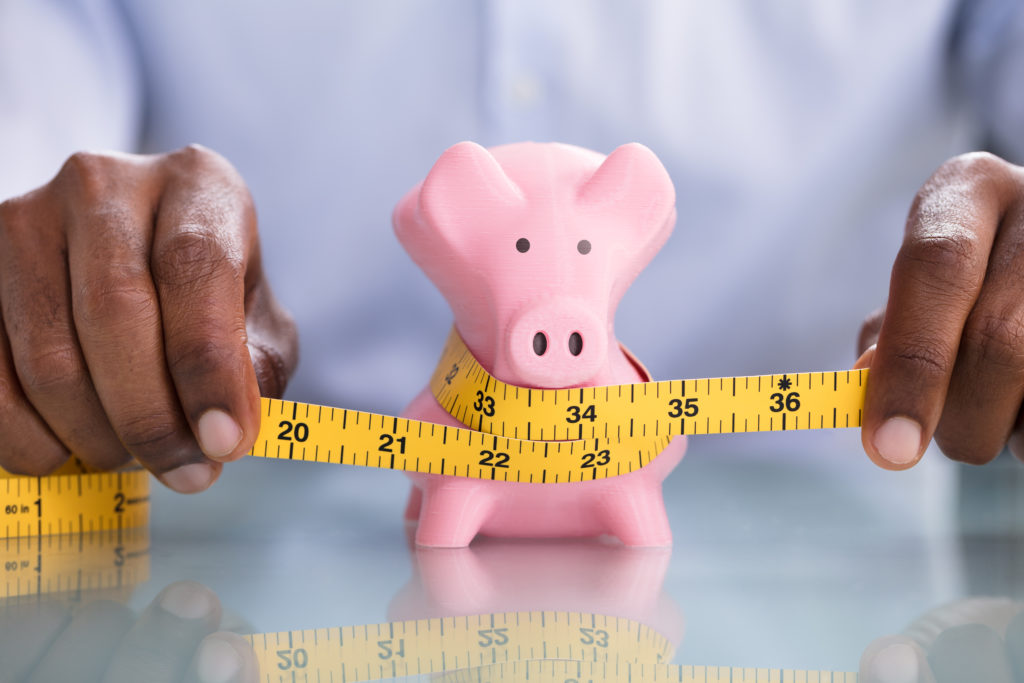
Every company wants to save on its tax bill. Although tax inversions have been making a lot of news lately, there are many other methods that corporations use to cut back on their taxes. In fact, seven companies in the S&P 500 index, including some big names that everyone is familiar with, have been able to effectively lower their tax bill every year over the last five years. So who are these companies and what’s their secret?
Google, PetSmart, Kohl’s and TripAdvisor are some of the companies that have been able to lower their effective tax rate while still seeing an increase in their net income from 2008 to 2013. One of the most popular tactics these companies use is to place a lot of cash into overseas accounts where business tax rates are much lower than in the U.S. For example, Google says it is keeping $38.9 billion of its $57.5 billion cash in overseas accounts.
Meantime, TripAdvisor used a restructuring of its operations outside of the U.S. to better manage its treasury and deployment of its global cash, in order to cut its taxes. The company managed to push its effective tax ate down to 27.8 percent in 2013 from 39.3 percent in 2008.
The fact is there are many ways to help reduce a company’s tax bill. If you are looking for ways to cut back on how much your company is giving to Uncle Sam, then contact GROCO today. We can help your company plan and prepare for all of your tax needs. Click here to learn more about our services.

Jonathan Cotten on The Business of Character
Why Character Is the Ultimate Business Strategy In the rush to scale fast, dominate markets, and chase the next big exit, the word “character” often feels like an afterthought in business circles. Jonathan Cotten, however, believes it belongs at the very center of any business worth building. Cotten, CEO of Easystep Enterprises and author of The…

Faith, Freight & “Slaying the Tomb”
How the Moscrips Drove From Freight Tech to Faith-Fueled Media When Scott Moscrip launched Truckstop.com from a spare bedroom in 1995, he didn’t just build a freight-matching marketplace—he rewired a blue-collar industry for the Internet age. Thirty years, five kids, and one mayoral term later, the Idaho technologist and his wife, Carmen, are chasing an…
From the Streets to Self-Reliance
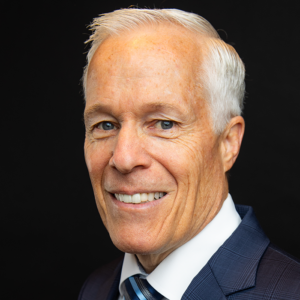
How Joseph Grenny’s Other Side Village Is Rewriting the Homelessness Playbook A 2 a.m. Alarm and a Box of World-Class Doughnuts At two o’clock each morning in downtown Salt Lake City, former rough-sleepers slip into spotless aprons, fire up industrial mixers, and begin turning out pillowy brioche rings glazed with passion-fruit icing and drizzled…
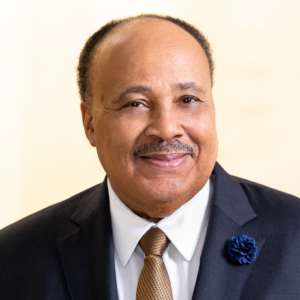
Building a Legacy: A Fireside Chat with Martin Luther King III
In a thought-provoking fireside chat at our Legacy Builder’s Conference, Martin Luther King III shared profound insights on the concept of legacy, leadership, and the moral imperatives facing society today. Speaking with Alan Olsen, he reflected on his father’s enduring impact and his own efforts to carry forward that mission in today’s world. Defining His…