
Tax Strategies That The Wealthy Use to Save
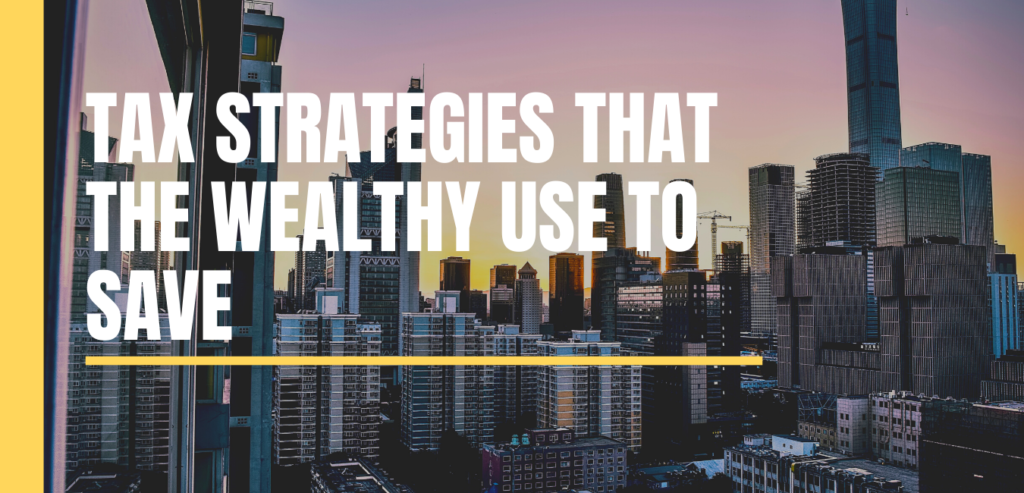
Tax Strategies That The Wealthy Use to Save
We all want to save money on our taxes, especially ultra-wealthy taxpayers who are hit the hardest by the nation’s highest tax strategies of the wealthy percentages. We know that the country’s richest 1 percent pays nearly a quarter, 24 percent, of all federal income taxes collected every year. It’s no wonder then that those wealthy individuals are always looking for more ways to cut their tax bills and keep more of their money in their own accounts.
At GROCO we work with some of the wealthiest individuals from all over the world with our main focus being to help these people keep their tax bill as low as possible. Because we spend our time focused on the ultra-rich and all the tax issues they face we know what strategies are best for helping the wealthy minimize their tax bills every year. So let’s take a look at some of the top tax-saving strategy employed by the wealthy.
Tax Saving Strategies
• One of the top moves the wealthy make is to deduct their business expenses, which lowers their income, and in turn, their taxes. As long as you’re actually running a business and not just participating in a hobby, then you can deduct any expenses incurred, such as traveling, marketing, vehicles to name just a few, as business expense write-offs.
• Another common tax-saving strategy employed by the wealthy is to earn income through investments instead of through employment. With the tax percentage on earned income at 39.6 percent for the highest earners, it makes sense to invest in stocks and earn income from those investments. You can collect dividends, and any gains you make when you sell your shares will only be taxed at a 20 percent rate, which nearly cuts your tax bill in half.
• Many wealthy people inherit real estate. Inherited land can be counted as capital gains, which are taxed at a lower rate when you sell the land. That’s because if the property is worth more when you inherit it than it was when the original owner bought it, you can avoid paying tax on the increased value, thanks to the “step-up basis.” This will minimize the capital gains tax you pay on the increased value of the property.
• Many wealthy people own second or multiple homes fancy yachts or both. And many of these individuals know that they can use these additional homes for tax strategies for wealthy by deducting the taxes and mortgage interest from all their homes. Because a Yacht could technically count as a second home, the wealthy often deduct the taxes and mortgage interest on these as well.
• Most people will tell you to never buy whole life insurance, but for the wealthy, these can be the perfect type of plan. That’s because whole life policies can also act as an investment account. The policy owner gets a tax planning for wealthy individuals to break while still alive because the policy grows tax-differed. The owner can use that increase for extra retirement funds, which are also tax-deferred. The heir also wins because he or she gets the money tax-free when the policy owner dies, except for any money the owner previously spent from the increased growth.
Helping the Wealthy Lower Their Taxes
At GROCO, we have effectively used these tax savings strategies (and many others) for years to help many of the wealthiest taxpayers keep more of their hard-earned money. Contact us to learn how we can help you, too. Call us at 1-877-CPA-2006 or click here.
Follow our Facebook page for more updates.

Jonathan Cotten on The Business of Character
Why Character Is the Ultimate Business Strategy In the rush to scale fast, dominate markets, and chase the next big exit, the word “character” often feels like an afterthought in business circles. Jonathan Cotten, however, believes it belongs at the very center of any business worth building. Cotten, CEO of Easystep Enterprises and author of The…

Faith, Freight & “Slaying the Tomb”
How the Moscrips Drove From Freight Tech to Faith-Fueled Media When Scott Moscrip launched Truckstop.com from a spare bedroom in 1995, he didn’t just build a freight-matching marketplace—he rewired a blue-collar industry for the Internet age. Thirty years, five kids, and one mayoral term later, the Idaho technologist and his wife, Carmen, are chasing an…
From the Streets to Self-Reliance
How Joseph Grenny’s Other Side Village Is Rewriting the Homelessness Playbook A 2 a.m. Alarm and a Box of World-Class Doughnuts At two o’clock each morning in downtown Salt Lake City, former rough-sleepers slip into spotless aprons, fire up industrial mixers, and begin turning out pillowy brioche rings glazed with passion-fruit icing and drizzled…
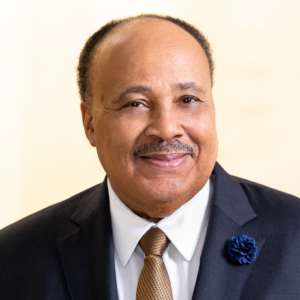
Building a Legacy: A Fireside Chat with Martin Luther King III
In a thought-provoking fireside chat at our Legacy Builder’s Conference, Martin Luther King III shared profound insights on the concept of legacy, leadership, and the moral imperatives facing society today. Speaking with Alan Olsen, he reflected on his father’s enduring impact and his own efforts to carry forward that mission in today’s world. Defining His…