Why Are The Wealthy & Family Offices Investing in Private Companies?

Why Are The Wealthy & Family Offices Investing in Private Companies?
Well, it’s true that many private companies would gladly accept significant investment from a venture capitalist. However, there is a new trend emerging among wealthy investors that goes against the norm.
Increasingly, private companies are turning to private investors and family office wealth to fund their businesses. So what’s behind this trend of investing in private companies?
What is Family Office Wealth?
The origin of most family office wealth can be traced back to a specific successful entrepreneur whose descendants have successfully protected and grown the family business and/or assets to the point of hiring investment, legal, estate and tax experts to help them preserve and grow the family fortune. Usually while keeping true to a meaningful altruistic family legacy.
What is Private Equity?
Private equity is nothing new, simply put, one invests in an entity in exchange for equity in same, but recently it’s become more common as investors and family office wealth seek the asset class from charitable foundations, pension funds, sovereign wealth funds, and large endowment funds.
Wealthy private investors and family offices want the same kind of exposure these funds get for their own portfolios. This new demand has led to several private equity groups quickly raising significant amounts of money, resulting in more money to make these kinds of deals.
Where will private companies go from here?
This trend is likely to continue as investors and family office wealth seek opportunities that make sense in terms of risk and return. The alignment of private equity, private companies, and family office wealth can form a powerful team of talent and networks working in unison towards a mutually beneficial outcome. Particularly when the actual enterprise being invested in does not garner interest from traditional investment sources.

In addition, wealthy family offices can take advantage of companies and assets suffering during and post pandemic. For example, investing in commercial real estate negatively affected by remote work. The super wealthy can play the long game, investing in key assets expected to do really well, but over the long-term. This gives the super wealthy, family Offices and private equity firms to go after very large investments either alone or with other investors on opportunities that others can not afford or afford to wait long enough for a good return on investment.
Historically, private equity deals have performed better than most other asset classes, while usually carrying less risk than the public stock market. Another attractive aspect to these opportunities is familiarity. Many private investors and original sources of family office wealth were entrepreneurs themselves, so investing directly in private companies is a natural fit. They already understand the challenges and risks associated with the growth of an early stage startup.

We DO NOT sell investments, but for more information about family office legacy, leadership or tax services, or, what makes a successful entrepreneur, please visit GROCO.com, contact your GROCO tax advisor or email Hello@GROCO.com.
We hope you found this article about Why Family Offices are investing in Private Companies helpful. If you have questions or need expert tax or family office advice that’s refreshingly objective (we never sell investments), please contact us or visit our Family office page or our website at www.GROCO.com. Unfortunately, we no longer give advice to other tax professionals gratis.
To receive our free newsletter, contact us here.
Subscribe to our YouTube Channel for more updates.
Considerately yours,
GROCO, GROCO Tax, GROCO Technology, GROCO Advisory Services, GROCO Consulting Services, GROCO Relationship Services, GROCO Consulting/Advisory Services, GROCO Family Office Wealth, and GROCO Family Office Services.

Alan L. Olsen, CPA, Wikipedia Bio

GROCO is a proud sponsor of the American Dreams Show.


Jonathan Cotten on The Business of Character
Why Character Is the Ultimate Business Strategy In the rush to scale fast, dominate markets, and chase the next big exit, the word “character” often feels like an afterthought in business circles. Jonathan Cotten, however, believes it belongs at the very center of any business worth building. Cotten, CEO of Easystep Enterprises and author of The…

Faith, Freight & “Slaying the Tomb”
How the Moscrips Drove From Freight Tech to Faith-Fueled Media When Scott Moscrip launched Truckstop.com from a spare bedroom in 1995, he didn’t just build a freight-matching marketplace—he rewired a blue-collar industry for the Internet age. Thirty years, five kids, and one mayoral term later, the Idaho technologist and his wife, Carmen, are chasing an…
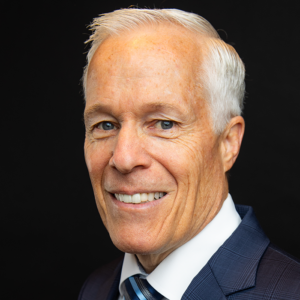
From the Streets to Self-Reliance
How Joseph Grenny’s Other Side Village Is Rewriting the Homelessness Playbook A 2 a.m. Alarm and a Box of World-Class Doughnuts At two o’clock each morning in downtown Salt Lake City, former rough-sleepers slip into spotless aprons, fire up industrial mixers, and begin turning out pillowy brioche rings glazed with passion-fruit icing and drizzled…
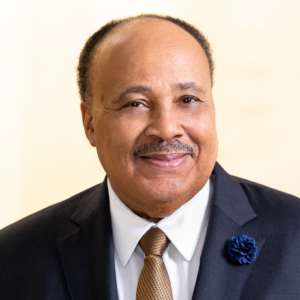
Building a Legacy: A Fireside Chat with Martin Luther King III
In a thought-provoking fireside chat at our Legacy Builder’s Conference, Martin Luther King III shared profound insights on the concept of legacy, leadership, and the moral imperatives facing society today. Speaking with Alan Olsen, he reflected on his father’s enduring impact and his own efforts to carry forward that mission in today’s world. Defining His…