Why Integrity is Key for Success in Business

Why Integrity is Key for Success in Business
Integrity Means
There are a few key reasons why integrity in business is so important for success in business:
– Personal values such as integrity build trust with customers and clients. If you’re known for being trustworthy in your personal and professional life, people will want to do business with you because of your strong moral principles.
– Business ethics create a positive reputation. A good business environment and good business practices are essential for any business owner, and integrity is a big part of that.
– Ethical companies promote integrity and create a positive work environment. Business leaders with business integrity and personal integrity create job satisfaction within the leadership team. — The customer experience in the entire organization with moral standards and a strong sense of taking responsibility affect decision making as promises to employees and customer relationships allow for high ethical standards.
Building a successful business takes time, hard work, and dedication. But if you want your business to really thrive, you need to make sure that integrity is at the heart of everything you do.
Sustainable Business
The same goes for your employees. If you want to create a positive work environment and keep morale high, you need to be honest with your team. They need to know that you’re going to treat them fairly, and that you have their best interests at heart.
A company with integrity is also a sustainable business. Sustainability is all about creating long-term value, and that’s only possible if you have a solid foundation of trust and integrity.
If you want your business to be successful, you need to make sure that integrity is at the core of everything you do.
Ethical Approach
Building a foundation of integrity will help you in the long run, because it’s that foundation that will keep your business standing when things get tough. People are more likely to support a business that they know is built on solid values.
Moreover, an ethical approach to business is the only way to ensure that you can sleep at night. If you’re constantly worried about getting caught in a lie or taking advantage of someone, it’s going to take a toll on your mental and physical health. But if you know that you’re doing everything the
Business Decisions
Honesty is the best policy, as they say, and that’s especially true in business. Your business partners need to trust you, and the only way to build that trust is to have core value. They need to know that you’re going to give them the best business context or service possible, and that you’re not going to try to take advantage of them.
Core Values
At Groco CPAs, we pride ourselves on our integrity. We believe that it’s the key to success in business, and we’re always honest with our clients. We want them to know that they can trust us, and that we’re always working in their best interests. If you’re looking for a CPA firm that you can trust, look no further than Groco CPAs.
We hope you enjoyed this article; “Why Integrity is Key for Success in Business”. If you have questions or need expert tax or family office advice that’s refreshingly objective (we never sell investments), please contact us or visit our Family office page or our website at www.GROCO.com. Unfortunately, we no longer give advice to other tax professionals gratis.
To receive our free newsletter, contact us here.
Subscribe to our YouTube Channel for more updates.
This transcript was generated by software and may not accurately reflect exactly what was said.
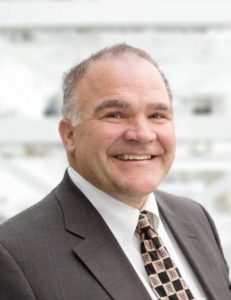
Alan Olsen, is the Host of the American Dreams Show and the Managing Partner of GROCO.com. GROCO is a premier family office and tax advisory firm located in the San Francisco Bay area serving clients all over the world.
Alan L. Olsen, CPA, Wikipedia Bio

GROCO.com is a proud sponsor of The American Dreams Show.

The American Dreams show was the brainchild of Alan Olsen, CPA, MBA. It was originally created to fill a specific need; often inexperienced entrepreneurs lacked basic information about raising capital and how to successfully start a business.
Alan sincerely wanted to respond to the many requests from aspiring entrepreneurs asking for the information and introductions they needed. But he had to find a way to help in which his venture capital clients and friends would not mind.
The American Dreams show became the solution, first as a radio show and now with YouTube videos as well. Always respectful of interview guest’s time, he’s able to give access to individuals information and inspiration previously inaccessible to the first-time entrepreneurs who need it most.
They can listen to venture capitalists and successful business people explain first-hand, how they got to where they are, how to start a company, how to overcome challenges, how they see the future evolving, opportunities, work-life balance and so much more.
American Dreams discusses many topics from some of the world’s most successful individuals about their secrets to life’s success. Topics from guest have included:
Creating purpose in life / Building a foundation for their life / Solving problems / Finding fulfillment through philanthropy and service / Becoming self-reliant / Enhancing effective leadership / Balancing family and work…

MyPaths.com (Also sponsored by GROCO) provides free access to content and world-class entrepreneurs, influencers and thought leaders’ personal success stories. To help you find your path in life to true, sustainable success & happiness. I’s mission statement:
In an increasingly complex and difficult world, we hope to help you find your personal path in life and build a strong foundation by learning how others found success and happiness. True and sustainable success and happiness are different for each one of us but possible, often despite significant challenges.
Our mission at MyPaths.com is to provide resources and firsthand accounts of how others found their paths in life, so you can do the same.

Jonathan Cotten on The Business of Character
Why Character Is the Ultimate Business Strategy In the rush to scale fast, dominate markets, and chase the next big exit, the word “character” often feels like an afterthought in business circles. Jonathan Cotten, however, believes it belongs at the very center of any business worth building. Cotten, CEO of Easystep Enterprises and author of The…

Faith, Freight & “Slaying the Tomb”
How the Moscrips Drove From Freight Tech to Faith-Fueled Media When Scott Moscrip launched Truckstop.com from a spare bedroom in 1995, he didn’t just build a freight-matching marketplace—he rewired a blue-collar industry for the Internet age. Thirty years, five kids, and one mayoral term later, the Idaho technologist and his wife, Carmen, are chasing an…
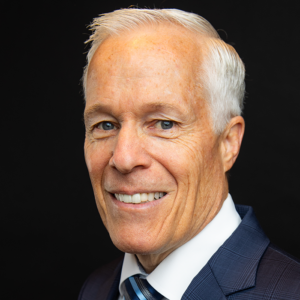
From the Streets to Self-Reliance
How Joseph Grenny’s Other Side Village Is Rewriting the Homelessness Playbook A 2 a.m. Alarm and a Box of World-Class Doughnuts At two o’clock each morning in downtown Salt Lake City, former rough-sleepers slip into spotless aprons, fire up industrial mixers, and begin turning out pillowy brioche rings glazed with passion-fruit icing and drizzled…
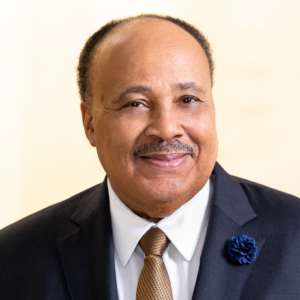
Building a Legacy: A Fireside Chat with Martin Luther King III
In a thought-provoking fireside chat at our Legacy Builder’s Conference, Martin Luther King III shared profound insights on the concept of legacy, leadership, and the moral imperatives facing society today. Speaking with Alan Olsen, he reflected on his father’s enduring impact and his own efforts to carry forward that mission in today’s world. Defining His…