
How Much Did California Taxes Affect NBA Free Agency?

The NBA finals are now in the rear view mirror, as is the league’s draft. In fact, the free agency period has largely ended as well, as far as the big-time impact players are concerned. It was an unusual year for free agency, as some of the most recognizable and marketable teams were mostly shut out in the free agent frenzy, including the New York Knicks and Los Angeles Lakers.
The Warriors and Clippers were able to keep their big name players that could have flown the coup for so-called greener pastures, but one of the most successful franchises in the history of the game could not get anyone to bite. Could it be that the Lakers have completely lost their mojo? That’s a debate for the sports experts, but what is up for open debate is whether or not California’s taxes played a role in where players chose, or didn’t choose to sign.
There are several possible reasons that this year’s crop of free agents could have chosen other teams besides the Lakers. However, there is also a definite possibility that the state’s huge income tax rate had something to do with it. California has the nation’s highest state income tax at 13.3 percent. Could that have been a deciding factor for some of these athletes? We can’t know for sure, but when you look at the case of free agent forward LaMarcus Aldridge, you can’t help but wonder.
Aldridge left the Portland Trailblazers for the San Antonio Spurs. Aldridge twice met with the Lakers before ultimately selecting San Antonio. The difference in his tax bill is huge when you consider that Texas has no state income tax. At four years and $80 Aldridge would’ve paid roughly $10 million in state income taxes had he signed with the Lakers. That’s a huge difference. While Aldridge may have chosen the Spurs for many other reasons, it’s very likely that the tax equation had something to do with his decision.

Jonathan Cotten on The Business of Character
Why Character Is the Ultimate Business Strategy In the rush to scale fast, dominate markets, and chase the next big exit, the word “character” often feels like an afterthought in business circles. Jonathan Cotten, however, believes it belongs at the very center of any business worth building. Cotten, CEO of Easystep Enterprises and author of The…

Faith, Freight & “Slaying the Tomb”
How the Moscrips Drove From Freight Tech to Faith-Fueled Media When Scott Moscrip launched Truckstop.com from a spare bedroom in 1995, he didn’t just build a freight-matching marketplace—he rewired a blue-collar industry for the Internet age. Thirty years, five kids, and one mayoral term later, the Idaho technologist and his wife, Carmen, are chasing an…
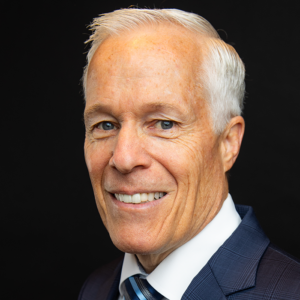
From the Streets to Self-Reliance
How Joseph Grenny’s Other Side Village Is Rewriting the Homelessness Playbook A 2 a.m. Alarm and a Box of World-Class Doughnuts At two o’clock each morning in downtown Salt Lake City, former rough-sleepers slip into spotless aprons, fire up industrial mixers, and begin turning out pillowy brioche rings glazed with passion-fruit icing and drizzled…
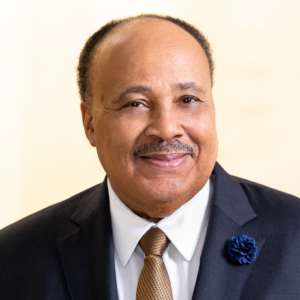
Building a Legacy: A Fireside Chat with Martin Luther King III
In a thought-provoking fireside chat at our Legacy Builder’s Conference, Martin Luther King III shared profound insights on the concept of legacy, leadership, and the moral imperatives facing society today. Speaking with Alan Olsen, he reflected on his father’s enduring impact and his own efforts to carry forward that mission in today’s world. Defining His…