
Things to Consider for Your 2015 Capital Gains Tax

There are all kinds of investors in the world. Some are looking to make a quick buck by buying and then quickly selling stocks as soon as they increase in value. Other investors buy stocks with an eye toward the future, which means they are in it for the long haul.
In any case, anyone who invests wants to be successful at it. It’s a great feeling to buy stock in a company and see that stock increase in value. However, at some point if you plan on selling that stock and cashing in or your gains, you will have to give a portion of those gains to the taxman. What percentage you will owe will depend on the size of your gain and how long you have owned the stock.
The government wants investors to hold onto their stocks longer. To encourage this they have a lower tax percentage on stocks held longer than a year. Whether you’re a quick turnaround trader or a long-term investor here’s what you should be aware of in 2015 for your capital gains taxes.
First, generally all you need to know to determine your capital gains is the difference between what you paid for the stock and how much you sold it for. When you know that amount then you can calculate the tax. Your tax rate will depend on which bracket you’re in. There are three that apply:
- If your ordinary income puts you in the 10-15 percent tax bracket, then your long-term capital gains rate is 0 percent.
- If your ordinary income falls in one of the 25, 28, 33, or 35 percent tax brackets then your long-term capital gains rate is 15 percent.
- If your ordinary income is in the 39.6% tax bracket, then your long-term capital gains rate is 20%.
There are a few other caveats to remember. For high-income earners, there is an additional 3.8 percent surtax on net investment income. Also, you only pay taxes on the net of your capital gains, which can make a big difference if you sell more than one stock in a year. If you want to learn more about capital gains taxes then please contact GROCO for more answers. Click here or call us at 1-877-CPA-2006.

Jonathan Cotten on The Business of Character
Why Character Is the Ultimate Business Strategy In the rush to scale fast, dominate markets, and chase the next big exit, the word “character” often feels like an afterthought in business circles. Jonathan Cotten, however, believes it belongs at the very center of any business worth building. Cotten, CEO of Easystep Enterprises and author of The…

Faith, Freight & “Slaying the Tomb”
How the Moscrips Drove From Freight Tech to Faith-Fueled Media When Scott Moscrip launched Truckstop.com from a spare bedroom in 1995, he didn’t just build a freight-matching marketplace—he rewired a blue-collar industry for the Internet age. Thirty years, five kids, and one mayoral term later, the Idaho technologist and his wife, Carmen, are chasing an…
From the Streets to Self-Reliance
How Joseph Grenny’s Other Side Village Is Rewriting the Homelessness Playbook A 2 a.m. Alarm and a Box of World-Class Doughnuts At two o’clock each morning in downtown Salt Lake City, former rough-sleepers slip into spotless aprons, fire up industrial mixers, and begin turning out pillowy brioche rings glazed with passion-fruit icing and drizzled…
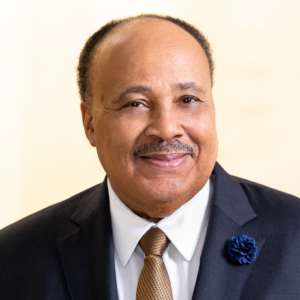
Building a Legacy: A Fireside Chat with Martin Luther King III
In a thought-provoking fireside chat at our Legacy Builder’s Conference, Martin Luther King III shared profound insights on the concept of legacy, leadership, and the moral imperatives facing society today. Speaking with Alan Olsen, he reflected on his father’s enduring impact and his own efforts to carry forward that mission in today’s world. Defining His…