
An Artistic Way to Pay Your Taxes
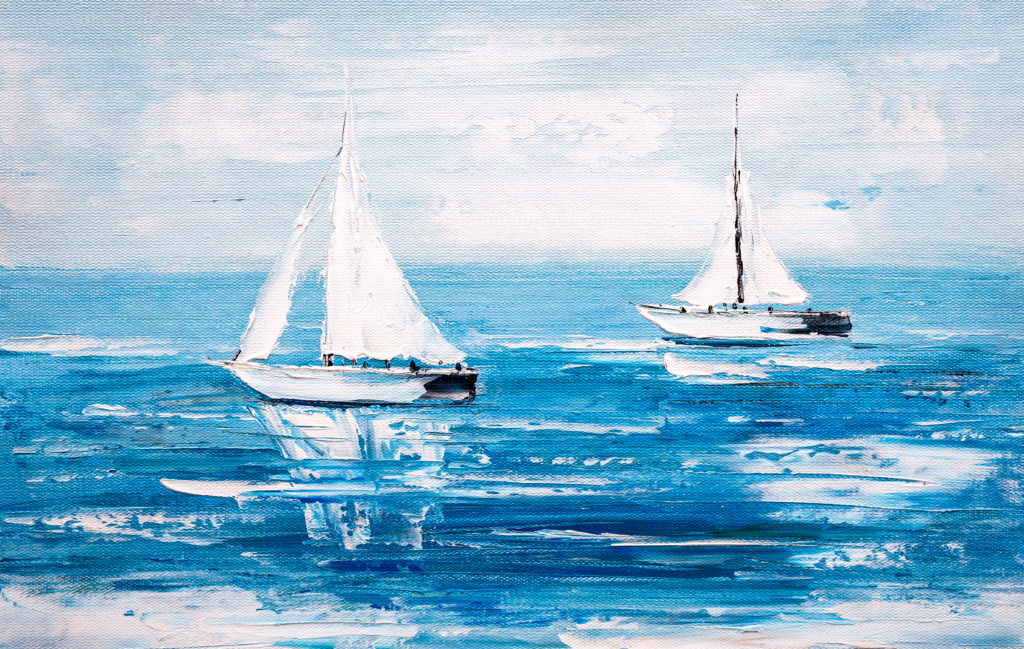
Many wealthy individuals enjoy collecting things, including artwork. While artwork can be a source of income for some, as well as solely a collectible for others, it can’t be used it to pay your taxes. Well, at least not in the United States, anyways. However, there are some countries in which artwork is a completely acceptable way to pay your taxes.
In the United Kingdom, for example, between the years 2009 and 2013 alone, taxpayers used £124.5 million worth of art to reduce their tax bill. UK citizens can even get the full fair market value off their art without having to sale it. Plus they don’t have to pay taxes on any gain. The program used to be mainly for estate taxes, but since 2013 residents of the UK can use it to settle their unpaid taxes.
Meantime, in Mexico, the art-for-taxes program is even sweeter, especially for artists, who can actually donate their works instead of paying taxes. The program allows artists to donate the same amount of artwork as the value of the pieces they sell each year. It not only encourages talented artists to continue creating, but it has also helped the country accumulate a large and valuable collection of some the country’s most recognized artists.
Although this program seems to work well in these countries there is no such program in the U.S. However, for professional artists in the U.S. there are many tax deductions available, which can help reduce their tax bill. So although artists and collectors might not be able to pay the IRS in paintings and sculptors, with the right tax planning help from GROCO they can still come out ahead.
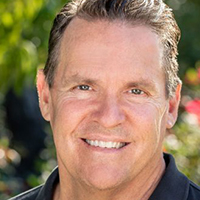
Chester Wooley on Where Philanthropy and Venture Capital Meet
Geoff “Chester” Wooley, Co-founder Patamar Capital and current board member of SKS Microfinance, India’s largest microfinance bank, discusses where philanthropy and venture capital meet on Alan Olsen‘s American Dreams Show. Transcript: Geoff Woolley 0:00 Philanthropy and a family office’s investing is quite separate from each other. Depending on the size of the family office, its foundation or…
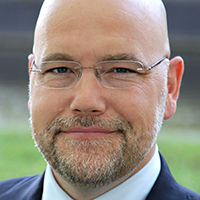
The Future of ESG and Impact Investing with Michael Meehan
Michael Meehan, Co-founder, Canoe Carbon, Forum for Impact, and former CEO, GRI discusses the future of ESG and impact investing on Alan Olsen‘s American Dreams Show. Transcript: Alan Olsen Michael, you have a remarkable story. And for the listeners here, can you share your background and how it got you to where you are today? Michael…

Becky Douglas on Transforming Leprosy Colonies in India
Becky Douglas, founder of Rising Star Outreach, a non-profit dedicated to saving and transforming the lives of children and their parents affected by leprosy in India, discusses how it became reality on Alan Olsen’s American Dreams Show. Rising Star Outreach born from tragedy. Becky’s journey to helping leper colonies in India began with a personal tragedy that transformed…
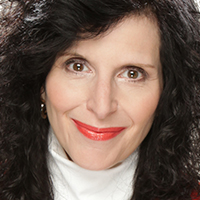
Unveiling Entrepreneurial Success with Randi Brill
Randi Brill, best-selling author and CCO of Just Call Randi Design Agency discusses unveiling entrepreneurial success on Alan Olsen‘s American Dreams Show. Transcript: Alan Olsen Hi, this is Alan Olsen and welcome to American Dreams. My guest today is Randy brill. Ready welcome to today’s show. Randi Brill Thank you, Alan. I’m glad to be here. …