
Top 10 Most Expensive Pieces of Art Sold in 2016

No. 10 – Kerry James Marshall- Plunge (1992) – $2.1 million
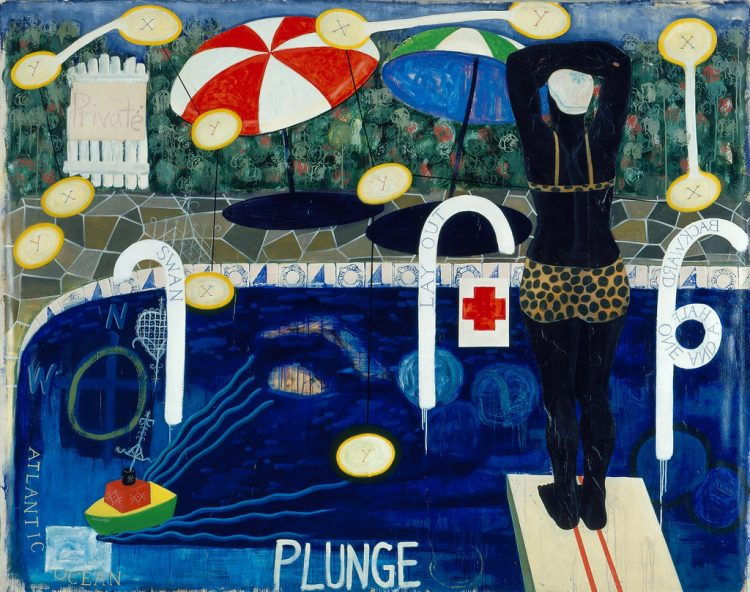
Plunge by Kerry James Marshall kicks off the list. This acrylic and paper collage on canvas is symbolic of the slave trade era. It garnered just north of $2 million at Christie’s.
No. 9 – Frida Kahlo – Two Nudes In A Forest (1939) – $8 million
This piece has seen a huge increase in value over the past two decades as twentieth century female artists have grown in popularity. While it once sold for $150,000 in 1989, this painting just fetched $8 million in 2016.
No. 8 – Richard Prince – Runaway Nurse (2006) – $9.7 million
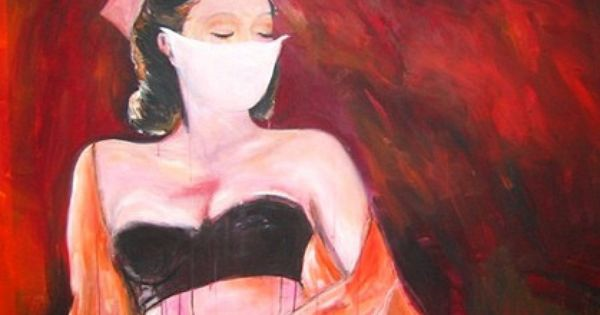
This painting sold for just $6.8 million five years ago, but it has increased in value by nearly $3 million over that time period. Purchased for $9.7 million in 2016 by Yusaku Maezawa, this contemporary piece from 2006 is part of Richard Prince’s “Nurse” series and has earned a lot of attention from both those in and outside of the art world.
No. 7 – Sam Francis – Summer #1 (1957) – $10.4 million
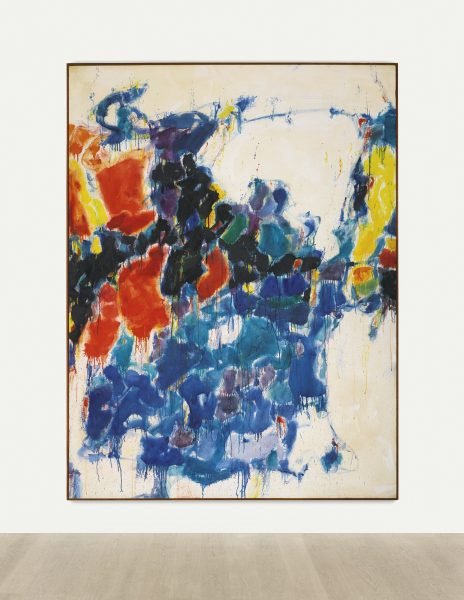
Sam Francis has seen several of his pieces increase in value in the last few years, including this postwar/contemporary piece from 1957.
No. 6 – Agnes Martin – Orange Grove (1965) – $10.7 million

Perhaps the buyer of this painting loves oranges. It was expected to garner about $6-$8 million at auction but ended up fetching close to $11 million.
No. 5 – Claude Monet – Le bassin aux nympheas (1919) – $27 million
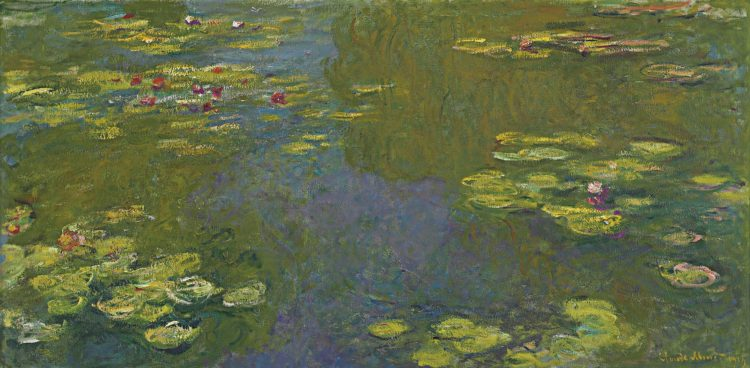
While most of Monet’s pieces are actually housed in museums, this one went on the block this year and fetched $27 million at auction.
No. 4 – Mark Rothko – No. 17 (1957) – $32.6 million
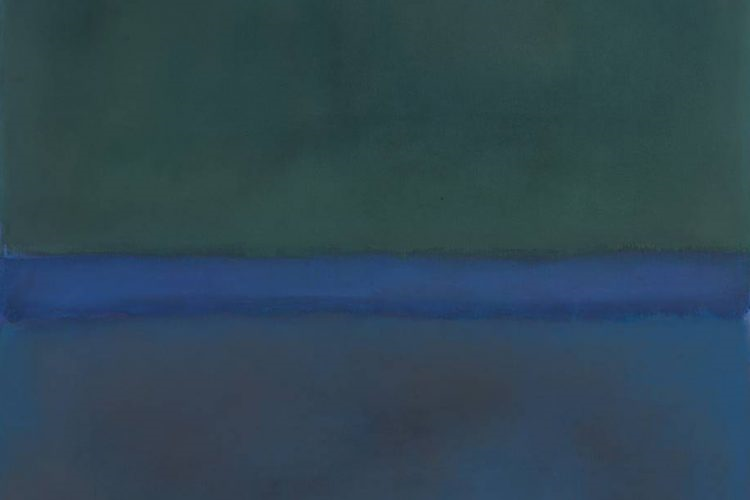
Coming in at number four is this symbolic postwar piece by Mark Rothko, which sold for more than $32 million at Christie’s earlier this year.
No. 3 – Jean-Michel Basquiat – Untitled (1982) – $57.2 million
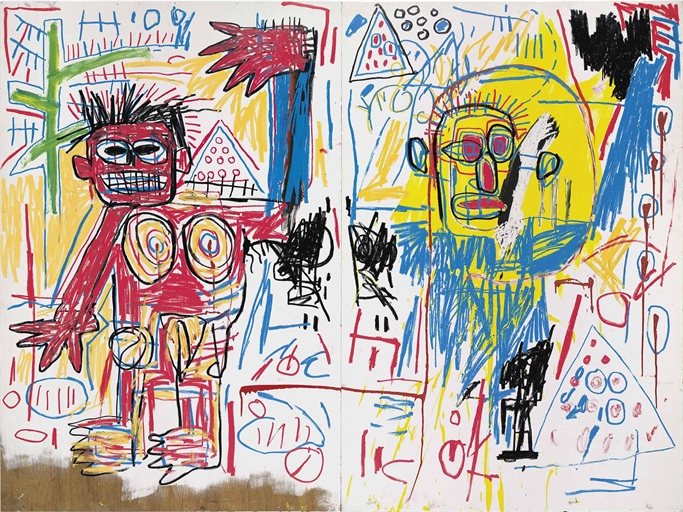
This contemporary piece from 1982 is one of the top attractions in the neo- expressionist art genre, and it continues to increase in value. Twelve years ago it sold for just $4.5 million. But just like Runaway Nurse, it was purchased by Yusaku Maezawa for more than $57 million.
No. 2 – Peter Paul Rubens – Lot and His Daughters (1613-14) – $58 million
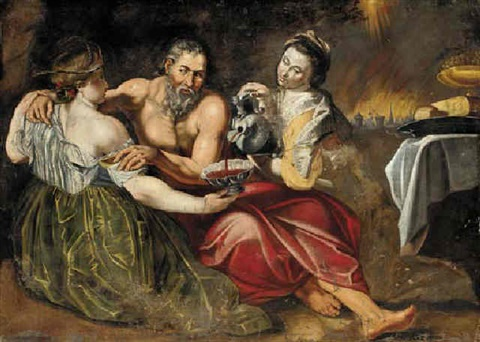
This is the second most expensive Rubens painting ever, trailing only his “Master of the Innocents.” This is an extremely old painting as well as extremely valuable.
No. 1 – Pablo Picasso – Femme Assise (1909) – $63.4 million
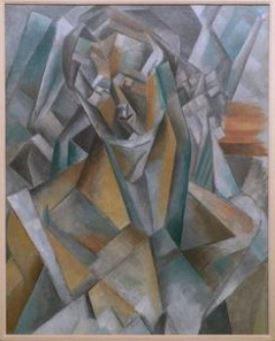
Picasso is not for everyone, but there’s no doubt his paintings have fetched some of the highest amounts of money in the world, including in 2016, which saw his Femme Assise sale for just over $63 million. Much of the value comes from this painting being credited with introducing a new form of art. And of course, it’s a Picasso.
You also might like the article Art as an Investment
Follow GROCO on Facebook
Chester Wooley on Where Philanthropy and Venture Capital Meet
Geoff “Chester” Wooley, Co-founder Patamar Capital and current board member of SKS Microfinance, India’s largest microfinance bank, discusses where philanthropy and venture capital meet on Alan Olsen‘s American Dreams Show. Transcript: Geoff Woolley 0:00 Philanthropy and a family office’s investing is quite separate from each other. Depending on the size of the family office, its foundation or…

The Future of ESG and Impact Investing with Michael Meehan
Michael Meehan, Co-founder, Canoe Carbon, Forum for Impact, and former CEO, GRI discusses the future of ESG and impact investing on Alan Olsen‘s American Dreams Show. Transcript: Alan Olsen Michael, you have a remarkable story. And for the listeners here, can you share your background and how it got you to where you are today? Michael…

Becky Douglas on Transforming Leprosy Colonies in India
Becky Douglas, founder of Rising Star Outreach, a non-profit dedicated to saving and transforming the lives of children and their parents affected by leprosy in India, discusses how it became reality on Alan Olsen’s American Dreams Show. Rising Star Outreach born from tragedy. Becky’s journey to helping leper colonies in India began with a personal tragedy that transformed…
Unveiling Entrepreneurial Success with Randi Brill
Randi Brill, best-selling author and CCO of Just Call Randi Design Agency discusses unveiling entrepreneurial success on Alan Olsen‘s American Dreams Show. Transcript: Alan Olsen Hi, this is Alan Olsen and welcome to American Dreams. My guest today is Randy brill. Ready welcome to today’s show. Randi Brill Thank you, Alan. I’m glad to be here. …