
How Can the Wealthy Cut Taxes on Their Social Security Benefits?

Everyone works a lifetime with the idea that at some point they can retire and collect Social Security benefits throughout their so-called “golden years.” However, when it comes to Social Security, this year is not a good time to be a high-income earner. Medicare Part B Premiums are expected to rise for high-income retirees. So, that means if you fall into this category then you should be looking for ways to cut back on your SS benefit taxes. Here are a few ways you can do this.
One step high-income earners can take to reduce their tax bill is to actually delay their benefits. By waiting until the age of 70 to claim your benefits instead of starting at age 62 you can actually increase your benefit by 76 percent. That also means you won’t be paying taxes on any SS benefits for several more years.
Another option is to open a Roth IRA, which allows your money to grow tax-free. The distributions are also tax-free, so you can be a great way to lower retirement income and thus lower your tax bill, as well. Deferred annuities are another possible way to let your money grow tax-free if you own assets that throw off income that you don’t really need. You can also try drawing a little extra by selling a capital asset if your retirement funds aren’t quite sufficient. This allows you to avoid the higher SS benefit taxes but still have enough to live on.
If you are worried about paying too much in Social Security benefit taxes because you are a high earner, then contact GROCO for guidance. Just call 1-877-CPA-2006, or click here.
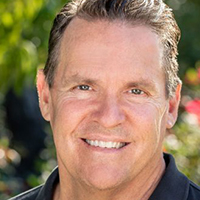
Chester Wooley on Where Philanthropy and Venture Capital Meet
Geoff “Chester” Wooley, Co-founder Patamar Capital and current board member of SKS Microfinance, India’s largest microfinance bank, discusses where philanthropy and venture capital meet on Alan Olsen‘s American Dreams Show. Transcript: Geoff Woolley 0:00 Philanthropy and a family office’s investing is quite separate from each other. Depending on the size of the family office, its foundation or…
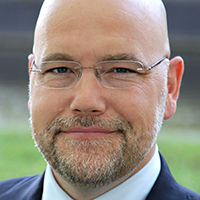
The Future of ESG and Impact Investing with Michael Meehan
Michael Meehan, Co-founder, Canoe Carbon, Forum for Impact, and former CEO, GRI discusses the future of ESG and impact investing on Alan Olsen‘s American Dreams Show. Transcript: Alan Olsen Michael, you have a remarkable story. And for the listeners here, can you share your background and how it got you to where you are today? Michael…

Becky Douglas on Transforming Leprosy Colonies in India
Becky Douglas, founder of Rising Star Outreach, a non-profit dedicated to saving and transforming the lives of children and their parents affected by leprosy in India, discusses how it became reality on Alan Olsen’s American Dreams Show. Rising Star Outreach born from tragedy. Becky’s journey to helping leper colonies in India began with a personal tragedy that transformed…
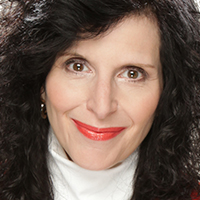
Unveiling Entrepreneurial Success with Randi Brill
Randi Brill, best-selling author and CCO of Just Call Randi Design Agency discusses unveiling entrepreneurial success on Alan Olsen‘s American Dreams Show. Transcript: Alan Olsen Hi, this is Alan Olsen and welcome to American Dreams. My guest today is Randy brill. Ready welcome to today’s show. Randi Brill Thank you, Alan. I’m glad to be here. …