
How Each Presidential Candidate Plans to Handle Corporate Taxes

If you follow this blog then you know that corporate taxes are a regular topic discussed in this space. A couple weeks ago we shared some comments from Disney Chief Bob Iger regarding the country’s corporate tax policies. This is a topic that continues to get a lot of airtime in the media as the three candidates still running for president continue to push the issue.
One of the reasons this continues to be front and center is that income from corporate taxes keeps falling. While it still remains a huge source of revenue for the government, over the past several decades that revenue has been declining sharply. In fact, whereas in the 1950s corporate taxes accounted for 30 percent of the country’s tax revenue, in the year 2015 corporate taxes accounted for a mere 11 percent of the total tax base.
There are several reasons for the decline, including corporate tax breaks, a lower corporate tax rate, more profits coming overseas and many loopholes that allow corporations to cut their tax bills legally.
As mentioned, each of the three remaining candidates running for the nation’s top office have their own ideas on how to solve the problem and just as one would expect they differ greatly. In a nutshell, republican Donald Trump wants to cut the corporate tax rate down from 35 percent to 15 percent.
Hilary Clinton, on the other hand wants to close loopholes so corporations can’t avoid their taxes, which increase corporate tax revenues for the government substantially. At the same time she has not made any proposal to cut the corporate tax rate. Bernie Sanders wants to increase the corporate tax revenue by increasing the tax rate even higher and by taxing overseas profits, among other things.
Time will tell who wins the election, and when that person does, whether or not he or she will be able to implement his or her plan.
http://www.reuters.com/article/us-usa-election-taxes-idUSKCN0YS0C7

Jonathan Cotten on The Business of Character
Why Character Is the Ultimate Business Strategy In the rush to scale fast, dominate markets, and chase the next big exit, the word “character” often feels like an afterthought in business circles. Jonathan Cotten, however, believes it belongs at the very center of any business worth building. Cotten, CEO of Easystep Enterprises and author of The…

Faith, Freight & “Slaying the Tomb”
How the Moscrips Drove From Freight Tech to Faith-Fueled Media When Scott Moscrip launched Truckstop.com from a spare bedroom in 1995, he didn’t just build a freight-matching marketplace—he rewired a blue-collar industry for the Internet age. Thirty years, five kids, and one mayoral term later, the Idaho technologist and his wife, Carmen, are chasing an…
From the Streets to Self-Reliance
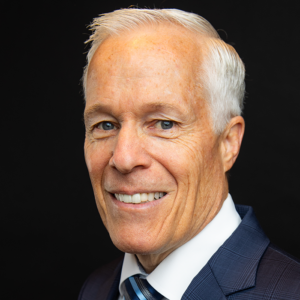
How Joseph Grenny’s Other Side Village Is Rewriting the Homelessness Playbook A 2 a.m. Alarm and a Box of World-Class Doughnuts At two o’clock each morning in downtown Salt Lake City, former rough-sleepers slip into spotless aprons, fire up industrial mixers, and begin turning out pillowy brioche rings glazed with passion-fruit icing and drizzled…
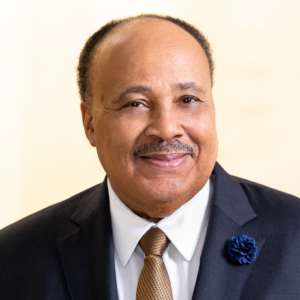
Building a Legacy: A Fireside Chat with Martin Luther King III
In a thought-provoking fireside chat at our Legacy Builder’s Conference, Martin Luther King III shared profound insights on the concept of legacy, leadership, and the moral imperatives facing society today. Speaking with Alan Olsen, he reflected on his father’s enduring impact and his own efforts to carry forward that mission in today’s world. Defining His…