
How the Wealthy Save on Taxes
![man-laying-in-money-[Converted]](https://groco.com/wp-content/uploads/2021/02/man-laying-in-money-Converted.png "man-laying-in-money-[Converted]")
Whether you make minimum wage or you’re in the richest 1 percent of earners, every taxpayer likes to keep as much of his or her hard-earned income as possible. There are hundreds of ways to save on taxes and many of these strategies are universal to all taxpayers no matter which tax bracket they fall into. However, there are certain tax-saving tricks that are particularly useful for the wealthy.
One of the most common methods many high net worth individuals use to save on taxes is by using tax-deferred retirement savings plans. Of course, anyone can start a retirement plan, but because the wealthy have more disposable income they can put away large sums of tax-deferred money, which provides a huge boost in the so-called golden years.
Another tax-saving strategy employed by the wealthy is to use offshore companies. By creating companies in foreign countries the wealthy can store more cash reserves away from the high tax rates in the U.S. Although many decry this practice, it is perfectly legal.
While a lot of people complain about the wealthy, the fact is, many of the nation’s top earners are also some of the nation’s biggest givers, as in charitable donations. Donating large sums of money to charity is a great way to help others, as well as save on taxes.
Lastly, the “carried interest” tax is another common strategy employed by the wealthy. This allows investors to save on taxes because they can pay 20 percent less on “carried interest” compared to normal income.
http://www.care2.com/causes/4-ways-the-rich-are-avoiding-paying-taxes-today.html
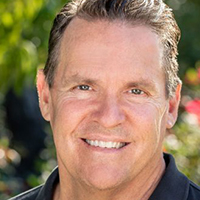
Chester Wooley on Where Philanthropy and Venture Capital Meet
Geoff “Chester” Wooley, Co-founder Patamar Capital and current board member of SKS Microfinance, India’s largest microfinance bank, discusses where philanthropy and venture capital meet on Alan Olsen‘s American Dreams Show. Transcript: Geoff Woolley 0:00 Philanthropy and a family office’s investing is quite separate from each other. Depending on the size of the family office, its foundation or…
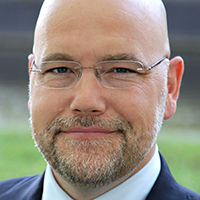
The Future of ESG and Impact Investing with Michael Meehan
Michael Meehan, Co-founder, Canoe Carbon, Forum for Impact, and former CEO, GRI discusses the future of ESG and impact investing on Alan Olsen‘s American Dreams Show. Transcript: Alan Olsen Michael, you have a remarkable story. And for the listeners here, can you share your background and how it got you to where you are today? Michael…

Becky Douglas on Transforming Leprosy Colonies in India
Becky Douglas, founder of Rising Star Outreach, a non-profit dedicated to saving and transforming the lives of children and their parents affected by leprosy in India, discusses how it became reality on Alan Olsen’s American Dreams Show. Rising Star Outreach born from tragedy. Becky’s journey to helping leper colonies in India began with a personal tragedy that transformed…
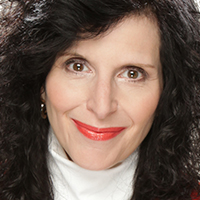
Unveiling Entrepreneurial Success with Randi Brill
Randi Brill, best-selling author and CCO of Just Call Randi Design Agency discusses unveiling entrepreneurial success on Alan Olsen‘s American Dreams Show. Transcript: Alan Olsen Hi, this is Alan Olsen and welcome to American Dreams. My guest today is Randy brill. Ready welcome to today’s show. Randi Brill Thank you, Alan. I’m glad to be here. …