
If You Win the Big Jackpot Expect the IRS to Coming Knocking

Many people from all over the country enjoy gambling. Whether it’s big time poker, playing the slots or betting on sporting events, there are a lot of people who enjoy games of chance and the idea of winning something for nothing. Of course, most of the time, the house wins and the player walks away empty handed. When a player does win, it’s usually cause for a celebration. However, the big victory can be short-lived when the winner discovers that the taxman wants his piece of the pie as well.
In fact, the IRS is looking to really crack down on gambling earnings. As it stands rights now, when a person plays the slots he or she has to report any earnings of $1,200 or more to the IRS. The machine even stops working as soon as someone wins. It won’t start again until after a casino worker has presented the lucky winner with the necessary tax papers. However, recently the IRS threw out the idea of lowering that threshold down to just $600.
To no one’s surprise, many gamblers hate the idea. Realistically, they have a good point, too, because most people who play the slots never win enough to make up for their losses, so why should they have to pay taxes if they get lucky once or twice? Time will tell if the IRS end up getting the threshold lowered or not, but gamblers and casinos alike oppose the idea. For small time gamblers the idea seems unfair, and casinos say it would only take the fun out of the game for players.

Jonathan Cotten on The Business of Character
Why Character Is the Ultimate Business Strategy In the rush to scale fast, dominate markets, and chase the next big exit, the word “character” often feels like an afterthought in business circles. Jonathan Cotten, however, believes it belongs at the very center of any business worth building. Cotten, CEO of Easystep Enterprises and author of The…

Faith, Freight & “Slaying the Tomb”
How the Moscrips Drove From Freight Tech to Faith-Fueled Media When Scott Moscrip launched Truckstop.com from a spare bedroom in 1995, he didn’t just build a freight-matching marketplace—he rewired a blue-collar industry for the Internet age. Thirty years, five kids, and one mayoral term later, the Idaho technologist and his wife, Carmen, are chasing an…
From the Streets to Self-Reliance
How Joseph Grenny’s Other Side Village Is Rewriting the Homelessness Playbook A 2 a.m. Alarm and a Box of World-Class Doughnuts At two o’clock each morning in downtown Salt Lake City, former rough-sleepers slip into spotless aprons, fire up industrial mixers, and begin turning out pillowy brioche rings glazed with passion-fruit icing and drizzled…
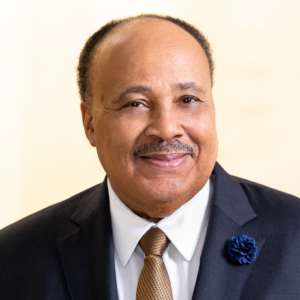
Building a Legacy: A Fireside Chat with Martin Luther King III
In a thought-provoking fireside chat at our Legacy Builder’s Conference, Martin Luther King III shared profound insights on the concept of legacy, leadership, and the moral imperatives facing society today. Speaking with Alan Olsen, he reflected on his father’s enduring impact and his own efforts to carry forward that mission in today’s world. Defining His…