
If You’re Using Airbnb for Some Extra Cash Don’t Forget About Taxes

Have you heard about the latest craze in hospitality? It’s the idea of renting out your home for a night or two, or perhaps even slightly longer, to someone looking for a place to stay other than a hotel. The leader in the industry is Airbnb, which works much like Uber, the personal cab driver company. Airbnb matches renters with those looking for a place to stay via an app, whether it’s a spare room for a night or a luxurious vacation home for two weeks.
It’s a great way for space owners to bring in a little additional income, but it doesn’t come without a price. If you make money through Airbnb, just like with anything else, make sure you understand the taxes involved. That is not necessarily an easy process, either, because the tax codes for renting can get very complex.
First, you have to determine if your home is a residence or a rental. or a combination of both. If you end up using your home exclusively, or for a large majority of the time, as a rental then you will have to report all that income; but you can also use any expenses as a deduction. If you choose to exclude your rental income then you cannot deduct any of your expenses that are attributed to your rental activity.
The bottom line when renting out your home or even a small portion of it is that you need to have a good handle on the tax implications. There are a lot of possible outcomes, but make sure you know which one is best for you before you start welcoming vacationers and other strangers into your home to make a few extra bucks.
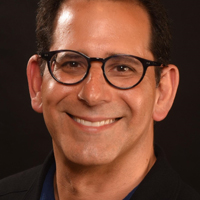
Mastering Business Growth with Howard Shore
Howard Shore, Founder and CEO of Activate Group Inc. discusses managing, even mastering, business growth and the challenges growing quickly can present on Alan Olsen‘s American Dreams Show. Transcript: Alan Olsen Welcome to American Dreams. My guest today is Howard Shore. Howard, welcome to today’s show. Howard Shore Alan, thank you for having me. Alan…
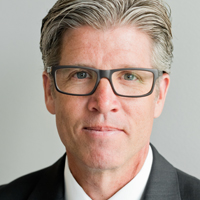
Prosperity and Self-Reliance Zealot Steve Alder
From North America to Ghana, Africa, Steve Alder, President of Ensign Global College (www.ensign.edu.gh), sits down to discuss how a professor helps to build global prosperity and self-reliance on Alan Olsen‘s American Dreams Show. Transcript: Alan Olsen Welcome to American Dreams I’m visiting here today with Steve Alder. Steve, welcome to today’s program. Steve Alder Thank…
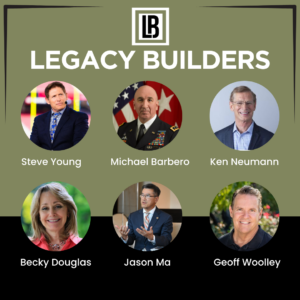
Steve Young on Building an Epic Family Legacy
Retired 49r Steve Young Discusses Building a Family Legacy at the Legacy Builders Event on May 15, 2024 As GROCO celebrates three decades of excellence in family office tax and advisory services, we have developed the Legacy Builders to stands as a testament to the firm’s enduring vision: to transform wealth into a powerful tool…
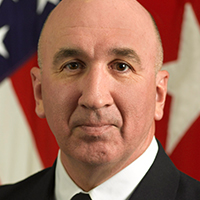
Leadership, Duty, Honor & Country With Lt. Gen. Mike Barbero
Retired US Army Lieutenant General, Michael D. Barbero, discusses leadership, service, duty, honor, and country on Alan Olsen‘s American Dreams Show. Transcript: Alan Olsen Hi, this is Alan Olsen and welcome to American Dreams. My guest today is General Michael Barbero. General, welcome to today’s show. Mike Barbero Thanks, Alan, how are you? Thanks for having me. It’s…