
Lawmakers Vote To Make Three Tax Provisions for Businesses Permanent

Late last year lawmakers in Washington extended a bill that made three important tax provisions for businesses valid through December 31, 2014. That means those provisions were good for last year’s taxes, but expired when the clock struck midnight on January 1, 2015. The extension was welcome news last year for many businesses. Now there is more good news, as Congress recently voted to make those provisions permanent with a new bill: HR 636.
The three provisions in question are Section 179, Section 1374 and Section 1367(a)(2). With the Section 179 provision taxpayers would permanently be allowed to expense up to $500,000 in qualified assets, instead of just a mere $25,000 without the provision. That is a huge break for many businesses.
Provision Section 1374 has to do with corporations and how they pay taxes. S Corporations typically don’t pay corporate–level taxes. However, C corporations do pay those taxes. When a C corporation chooses to become an S corporation it and purges its assets within a 10-year period it must pay a tax on those gains. However, with Provision 1374 in place the waiting period is cut in half to just five years.
It used to be that when an S Corporation donated appreciated property to a charity it qualified for a fair market value deduction. The shareholders were then required to reduce their basis in the S Corporation’s stock. However, under the Section 1367 provision, those shareholders simply have to reduce their basis according to their share of the adjusted basis of the property that was donated.
If these provisions are passed and become law, they would greatly benefit small businesses. By knowing these provisions are permanent year-round, businesses would be able to better plan their purchases and sales throughout the year. Hopefully this bill is passed by the Senate and signed by the president.
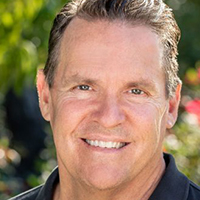
Chester Wooley on Where Philanthropy and Venture Capital Meet
Geoff “Chester” Wooley, Co-founder Patamar Capital and current board member of SKS Microfinance, India’s largest microfinance bank, discusses where philanthropy and venture capital meet on Alan Olsen‘s American Dreams Show. Transcript: Geoff Woolley 0:00 Philanthropy and a family office’s investing is quite separate from each other. Depending on the size of the family office, its foundation or…
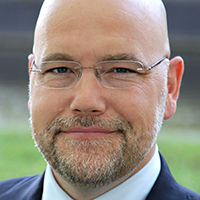
The Future of ESG and Impact Investing with Michael Meehan
Michael Meehan, Co-founder, Canoe Carbon, Forum for Impact, and former CEO, GRI discusses the future of ESG and impact investing on Alan Olsen‘s American Dreams Show. Transcript: Alan Olsen Michael, you have a remarkable story. And for the listeners here, can you share your background and how it got you to where you are today? Michael…

Becky Douglas on Transforming Leprosy Colonies in India
Becky Douglas, founder of Rising Star Outreach, a non-profit dedicated to saving and transforming the lives of children and their parents affected by leprosy in India, discusses how it became reality on Alan Olsen’s American Dreams Show. Rising Star Outreach born from tragedy. Becky’s journey to helping leper colonies in India began with a personal tragedy that transformed…
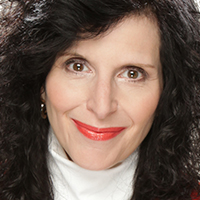
Unveiling Entrepreneurial Success with Randi Brill
Randi Brill, best-selling author and CCO of Just Call Randi Design Agency discusses unveiling entrepreneurial success on Alan Olsen‘s American Dreams Show. Transcript: Alan Olsen Hi, this is Alan Olsen and welcome to American Dreams. My guest today is Randy brill. Ready welcome to today’s show. Randi Brill Thank you, Alan. I’m glad to be here. …