
Should You Pay Estimated Taxes?

For most people tax time only comes once year. However, for anyone who has to pay estimated taxes a large tax bill could be due several times a year. Again, most people do not have to worry about paying estimated taxes, but there are several circumstances that will put you in that category. The most common reason people need to pay estimated taxes is because they have self-employment income, but there are other reasons as well. You may need to pay estimated taxes if any of the following apply to you.
- You or your spouse earned self-employment income.
- If the stock market was kind and you cashed out a large portion of your gains, but you did not adjust your withholding on your W-4, then you might need to pay estimated taxes.
- If you hire a nanny and pay her federal payroll tax for her, then you can make those in quarterly estimated taxes.
- Any income you earned that was not subject to federal withholding on your W-4 could be subject to estimated taxes.
Not everyone who falls into one of these categories needs to pay estimated tax. So how do you decide if you should or shouldn’t pay these taxes? There are many answers to this question, but the bottom line is if you made enough income from untaxed sources that you will cause you to owe taxes when you file your return then you should make estimated tax payments. If you fail to do so, then you could pay a penalty. On the other hand if your deductions and credits will be more than the tax amount you would owe on this income then you are most likely OK in skipping these estimated payments. If you still aren’t sure whether or not you should make estimated tax payments, then contact us at GROCO for more advice. We can look at your situation and help you determine if these payments are necessary. Please contact us for help at 1-877-CPA-2006, or click here.
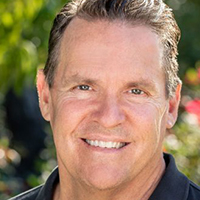
Chester Wooley on Where Philanthropy and Venture Capital Meet
Geoff “Chester” Wooley, Co-founder Patamar Capital and current board member of SKS Microfinance, India’s largest microfinance bank, discusses where philanthropy and venture capital meet on Alan Olsen‘s American Dreams Show. Transcript: Geoff Woolley 0:00 Philanthropy and a family office’s investing is quite separate from each other. Depending on the size of the family office, its foundation or…
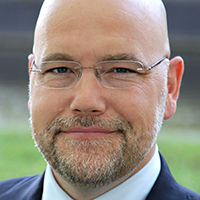
The Future of ESG and Impact Investing with Michael Meehan
Michael Meehan, Co-founder, Canoe Carbon, Forum for Impact, and former CEO, GRI discusses the future of ESG and impact investing on Alan Olsen‘s American Dreams Show. Transcript: Alan Olsen Michael, you have a remarkable story. And for the listeners here, can you share your background and how it got you to where you are today? Michael…

Becky Douglas on Transforming Leprosy Colonies in India
Becky Douglas, founder of Rising Star Outreach, a non-profit dedicated to saving and transforming the lives of children and their parents affected by leprosy in India, discusses how it became reality on Alan Olsen’s American Dreams Show. Rising Star Outreach born from tragedy. Becky’s journey to helping leper colonies in India began with a personal tragedy that transformed…
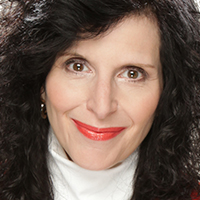
Unveiling Entrepreneurial Success with Randi Brill
Randi Brill, best-selling author and CCO of Just Call Randi Design Agency discusses unveiling entrepreneurial success on Alan Olsen‘s American Dreams Show. Transcript: Alan Olsen Hi, this is Alan Olsen and welcome to American Dreams. My guest today is Randy brill. Ready welcome to today’s show. Randi Brill Thank you, Alan. I’m glad to be here. …