
Tax Break for College Tuition Payments

Tax Break for College Tuition Payments
Maximum Annual Deductions
Here are the maximum annual deductions or credits available. If your state isn’t here, it either doesn’t have income taxes or doesn’t offer a tax break for “529” deposits.
State/District |
Annual Cap on Tax Break |
|---|---|
| Colorado | Unlimited deductions up to the amount of your taxable income* |
| Connecticut | $5,000 deduction; $10,000 for married couple filing jointly |
| District of Columbia | $3,000 deduction; $6,000 for married couple filing jointly; a couple with one child must have two accounts to get the full $6,000 |
| Georgia | $2,000 deduction per beneficiary; declines above $50,000 in income or $100,000 for married couple filing jointly |
| Idaho | $4,000 deduction; $8,000 for married couple filing jointly |
| Illinois | $10,000 deduction; $20,000 for married couple filing jointly |
| Indiana | $1,000 tax credit (20% of deposit up to $5,000) starting in 2007 |
| Iowa | $2,500 deduction per beneficiary; $5,000 for married couple filing jointly |
| Kansas | $3,000 deduction for each beneficiary; $6,000 for married couple filing jointly |
| Louisiana | $2,400 deduction per beneficiary per year; $4,800 for married couples filing jointly; state matches deposits on up to 14% of deposit depending on income |
| Maine | $250 deduction per beneficiary starting in 2007 if income is below $100,000 (or $200,000 for married couple filing jointly) |
| Maryland | $2,500 per account holder per beneficiary (or $10,000 if each parent maxes out the deduction in both of the state’s 529 plans) |
| Michigan | $5,000 deduction; $10,000 for married couple filing jointly |
| Mississippi | $10,000 deduction; $20,000 for married couple filing jointly |
| Missouri | $8,000 deduction; $16,000 for married couple filing jointly (both spouses must have income and separate accounts) |
| Montana | $3,000 deduction; $6,000 for married couple filing jointly |
| Nebraska | $1,000 deduction per household |
| New Mexico | Unlimited deductions up to the amount of your taxable income* |
| New York | $5,000 deduction; $10,000 for married couple filing jointly |
| Ohio | $2,000 deduction per beneficiary per household |
| Oklahoma | $10,000 deduction; $20,000 for married couple filing jointly |
| Oregon | $2,000 deduction per household |
| Rhode Island | $500 deduction; $1,000 for married couple filing jointly |
| South Carolina | Unlimited deductions up to the amount of your taxable income* |
| Utah | $1,560 deduction per beneficiary; $3,120 for married couple filing jointly |
| Vermont | $100 tax credit (5% of deposit up to $2,000) per beneficiary; $200 for married couple filing jointly |
| Virginia | $2,000 deduction per year, per account. Multiple accounts are fine, up to certain limits |
| West Virginia | Unlimited deductions* |
| Wisconsin | $3,000 deduction per beneficiary per household |
*These states (and others) limit the total amount you can have deposited in a 529 plan at any one time.
We hope you found this article about “Tax Break for College Tuition Payments” helpful. If you have questions or need expert tax or family office advice that’s refreshingly objective (we never sell investments), please contact us or visit our Family office page or our website at www.GROCO.com. Unfortunately, we no longer give advice to other tax professionals gratis.
To receive our free newsletter, contact us here.
Subscribe our YouTube Channel for more updates.
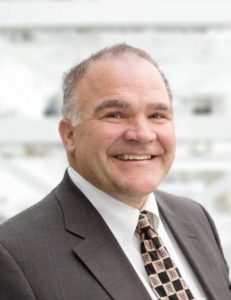
Alan Olsen, is the Host of the American Dreams Show and the Managing Partner of GROCO.com. GROCO is a premier family office and tax advisory firm located in the San Francisco Bay area serving clients all over the world.
Alan L. Olsen, CPA, Wikipedia Bio

GROCO.com is a proud sponsor of The American Dreams Show.

The American Dreams show was the brainchild of Alan Olsen, CPA, MBA. It was originally created to fill a specific need; often inexperienced entrepreneurs lacked basic information about raising capital and how to successfully start a business.
Alan sincerely wanted to respond to the many requests from aspiring entrepreneurs asking for the information and introductions they needed. But he had to find a way to help in which his venture capital clients and friends would not mind.
The American Dreams show became the solution, first as a radio show and now with YouTube videos as well. Always respectful of interview guest’s time, he’s able to give access to individuals information and inspiration previously inaccessible to the first-time entrepreneurs who need it most.
They can listen to venture capitalists and successful business people explain first-hand, how they got to where they are, how to start a company, how to overcome challenges, how they see the future evolving, opportunities, work-life balance and so much more..
American Dreams discusses many topics from some of the world’s most successful individuals about their secrets to life’s success. Topics from guest have included:
Creating purpose in life / Building a foundation for their life / Solving problems / Finding fulfillment through philanthropy and service / Becoming self-reliant / Enhancing effective leadership / Balancing family and work…

MyPaths.com (Also sponsored by GROCO) provides free access to content and world-class entrepreneurs, influencers and thought leaders’ personal success stories. To help you find your path in life to true, sustainable success & happiness. It’s mission statement:
In an increasingly complex and difficult world, we hope to help you find your personal path in life and build a strong foundation by learning how others found success and happiness. True and sustainable success and happiness are different for each one of us but possible, often despite significant challenges.
Our mission at MyPaths.com is to provide resources and firsthand accounts of how others found their paths in life, so you can do the same.
How Becca Switzer is Transforming the Roofing Sales Industry
This week on American Dreams: Becca Switzer, the visionary behind Roof Sales Mastery, is redefining success in the roofing sales industry. With a unique blend of education, authenticity, and proven strategies, Becca has empowered countless sales reps to thrive in a competitive market. Her innovative training programs provide a step-by-step roadmap for mastering roofing sales,…

Jason Borbay on Building an Incredible Art Market Outside the Traditional Path
Jason Borbay’s Unique Journey as a Self-Represented Artist In the world of fine arts, where galleries and agents traditionally play pivotal roles, independent artist Jason Borbay has forged his own path, challenging the conventional norms. Based in Victor, Idaho, Jason has developed a unique business model outside the traditional art infrastructure, building his career as…

3 Keys to Being a Great Girl Dad
Madeline Anderson on how to build strong father-daughter relationships: the story behind “Girl Dad”. Madeline Anderson, Author and Founder of The Girl Dad Network discusses the four stages to the art of successful multi-generational living on Alan Olsen‘s American Dreams Show. A Realization and a Mission Growing up in Huntington Beach, California, Madeline Anderson enjoyed what she…

Successful Multi-Generational Living in 4 Stages
The art of multi-generational living: an interview with Gary Klaben. Gary Klaben: Principal at Coyle Financial, West Point grad, Author, and he possesses firsthand experience in multigenerational living. Gary discusses the four stages to the art of successful multi-generational living on Alan Olsen‘s American Dreams Show. In today’s fast-paced world, the concept of multi-generational living is gaining renewed interest.…