
These Tax Breaks Are a Big Boost to the Wealthy

Even though the new presidential administration has already made several tax cut promises that would greatly benefit the wealthy, the fact is, high net worth individuals already benefit from several tax breaks that favor the rich. In fact, there are numerous ways that the wealthy can, and are already saving on their tax bill.
Let’s take a look at three of the most tax-friendly laws for high net worth earners currently in the tax code. The Social Security earnings cap is one way the wealthy save on taxes. Because the government caps this tax at $127,200, those who earn $128,000 and those who earn 12 million will pay the same Social Security tax rate. That is a huge savings for the nation’s highest earners, which amounts to $62,000 in savings on every million dollars earned above the cap.
Next up is the capital gains tax rate, which favors the country’s highest earners as well. Because this rate is much lower than the personal income tax rate and most middle-income workers don’t earn their money through capital gains the middle class often pay a higher tax rate than high net worth individuals that earn all their money through capital gains.
Lastly, the mortgage interest deduction also helps the wealthy save on their taxes. Although this tax break clearly helps anyone that carries a mortgage, the wealthy usually receive a much greater benefit because the amount they pay in mortgage interest is typically much higher. Therefore, they receive a much higher deduction amount. Plus, if you don’t have enough itemized deductions to exceed the standard deduction amount you won’t get to claim the mortgage deduction anyways.
https://www.fool.com/retirement/2017/02/25/3-tax-breaks-that-hugely-benefit-the-rich.aspx
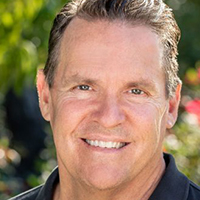
Chester Wooley on Where Philanthropy and Venture Capital Meet
Geoff “Chester” Wooley, Co-founder Patamar Capital and current board member of SKS Microfinance, India’s largest microfinance bank, discusses where philanthropy and venture capital meet on Alan Olsen‘s American Dreams Show. Transcript: Geoff Woolley 0:00 Philanthropy and a family office’s investing is quite separate from each other. Depending on the size of the family office, its foundation or…
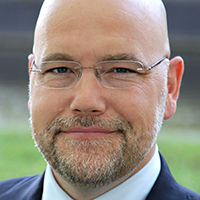
The Future of ESG and Impact Investing with Michael Meehan
Michael Meehan, Co-founder, Canoe Carbon, Forum for Impact, and former CEO, GRI discusses the future of ESG and impact investing on Alan Olsen‘s American Dreams Show. Transcript: Alan Olsen Michael, you have a remarkable story. And for the listeners here, can you share your background and how it got you to where you are today? Michael…

Becky Douglas on Transforming Leprosy Colonies in India
Becky Douglas, founder of Rising Star Outreach, a non-profit dedicated to saving and transforming the lives of children and their parents affected by leprosy in India, discusses how it became reality on Alan Olsen’s American Dreams Show. Rising Star Outreach born from tragedy. Becky’s journey to helping leper colonies in India began with a personal tragedy that transformed…
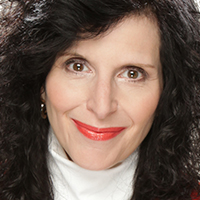
Unveiling Entrepreneurial Success with Randi Brill
Randi Brill, best-selling author and CCO of Just Call Randi Design Agency discusses unveiling entrepreneurial success on Alan Olsen‘s American Dreams Show. Transcript: Alan Olsen Hi, this is Alan Olsen and welcome to American Dreams. My guest today is Randy brill. Ready welcome to today’s show. Randi Brill Thank you, Alan. I’m glad to be here. …