Trump vs. Clinton and the Tax Plans We Could End Up With
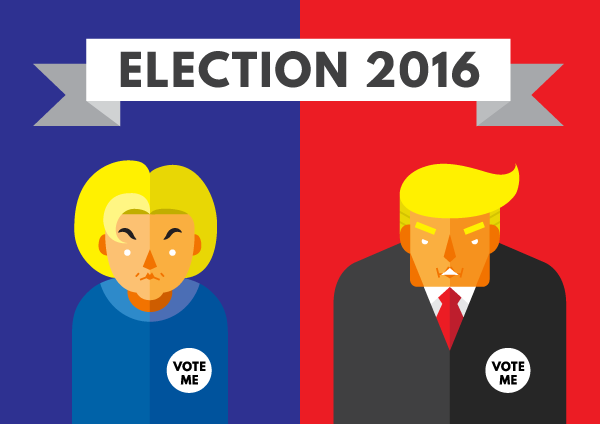
If someone asked you to explain the differences between the two presidential candidates’ tax plans would you be able give a clear explanation? If you answered “no” most likely you aren’t alone. It’s not uncommon during a presidential election for most voters to be confused at what the candidates are actually promising or proposing. With so much back-and-forth rhetoric, it’s hard to know what each candidate really has in store.
According to Donald Trump, he wants to reduce taxes for everyone in America, especially middle-income Americans. According to numerous reports, Mr. Trump’s plan would reduce the tax system to just three tax brackets, with the top rate dropping from its current mark of 39.6 percent down to 33 percent. He also said that the wealthy would still pay their fair share, but not so much that it hinders the country’s ability to compete.
On the other hand, Hilary Clinton has yet to describe in detail what her tax plans for the middle class would be, or how they would be affected. However, she has made it clear that she wants to raise taxes on the ultra wealthy. Mrs. Clinton has stated that she wants anyone who makes more than a million dollars a year to pay a minimum of 30 percent, whether it’s from income or from capital gains. She would also like anyone who makes more than $5 million to pay an extra 4 percent.
Under Mrs. Clinton’s plan the top 1 percent would end up paying three-fourth’s of the additional taxes being collected, whereas under Mr. Trump’s plan the wealthy would be getting a tax cut of about 5.3 percent. Meantime, both candidates reportedly agree on eliminating the carried interest loophole that offers hedge fund managers a heavily discounted tax rate. Lastly, Mr. Trump wants to eliminate the estate tax completely, while Mrs. Clinton wants to raise it, as well as lower the threshold at which it starts to apply.
http://www.npr.org/2016/09/12/493573601/do-hillary-clinton-and-donald-trumps-tax-proposals-add-up
Turning Ordinary Lives into Living Legacies
“There was a measurable connection between how well they knew their family stories and how successful they were.” — Kasia Flanagan, founder of Everyday Legacies When historian‑turned‑biographer Kasia Flanagan examined the lives of mixed‑race German‑Samoan descendants for her PhD, she expected to chart migration patterns and cultural shifts. What she didn’t expect was the data point that changed her career:…
Roy Moëd on Turning Memories Into Masterpieces
“There are two dates: you’re born and you die — but it’s the dash in between that tells your story.”– Roy Moëd In an age of scrolling feeds and vanishing digital memories, Roy Moëd is championing something different — something timeless. Through his company LifeBook Memoirs, he’s helping individuals turn their life stories into beautifully…

Mark Lutz: A Lifelong Mission to End Extreme Poverty
When Mark Lutz speaks about eradicating extreme poverty, his passion emanates from a lifetime of service and firsthand experiences around the world. Lutz, Senior Vice President of Global Philanthropy at Opportunity International, has spent more than four decades raising funds for missions and microfinance—transforming countless lives in the process. A Childhood Shaped by Apartheid Born…
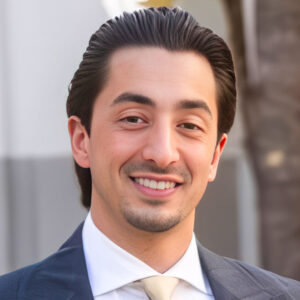
Aaron Manoucheri: Building a Multi Generation Legacy in Real Estate
Aaron Manoucheri, a third-generation real estate investor and partner at Manoucheri Brothers LLC, understands the delicate balance between tradition and innovation in the family business. In a recent interview on American Dreams, he shared his journey, philosophy, and insights on navigating the ever-changing real estate landscape while maintaining a deep connection to his roots. A Legacy…