
Trump vs. Clinton and the Tax Plans We Could End Up With

If someone asked you to explain the differences between the two presidential candidates’ tax plans would you be able give a clear explanation? If you answered “no” most likely you aren’t alone. It’s not uncommon during a presidential election for most voters to be confused at what the candidates are actually promising or proposing. With so much back-and-forth rhetoric, it’s hard to know what each candidate really has in store.
According to Donald Trump, he wants to reduce taxes for everyone in America, especially middle-income Americans. According to numerous reports, Mr. Trump’s plan would reduce the tax system to just three tax brackets, with the top rate dropping from its current mark of 39.6 percent down to 33 percent. He also said that the wealthy would still pay their fair share, but not so much that it hinders the country’s ability to compete.
On the other hand, Hilary Clinton has yet to describe in detail what her tax plans for the middle class would be, or how they would be affected. However, she has made it clear that she wants to raise taxes on the ultra wealthy. Mrs. Clinton has stated that she wants anyone who makes more than a million dollars a year to pay a minimum of 30 percent, whether it’s from income or from capital gains. She would also like anyone who makes more than $5 million to pay an extra 4 percent.
Under Mrs. Clinton’s plan the top 1 percent would end up paying three-fourth’s of the additional taxes being collected, whereas under Mr. Trump’s plan the wealthy would be getting a tax cut of about 5.3 percent. Meantime, both candidates reportedly agree on eliminating the carried interest loophole that offers hedge fund managers a heavily discounted tax rate. Lastly, Mr. Trump wants to eliminate the estate tax completely, while Mrs. Clinton wants to raise it, as well as lower the threshold at which it starts to apply.
http://www.npr.org/2016/09/12/493573601/do-hillary-clinton-and-donald-trumps-tax-proposals-add-up
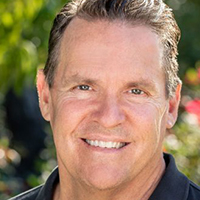
Chester Wooley on Where Philanthropy and Venture Capital Meet
Geoff “Chester” Wooley, Co-founder Patamar Capital and current board member of SKS Microfinance, India’s largest microfinance bank, discusses where philanthropy and venture capital meet on Alan Olsen‘s American Dreams Show. Transcript: Geoff Woolley 0:00 Philanthropy and a family office’s investing is quite separate from each other. Depending on the size of the family office, its foundation or…
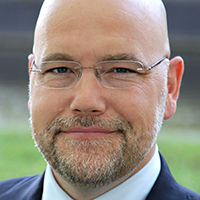
The Future of ESG and Impact Investing with Michael Meehan
Michael Meehan, Co-founder, Canoe Carbon, Forum for Impact, and former CEO, GRI discusses the future of ESG and impact investing on Alan Olsen‘s American Dreams Show. Transcript: Alan Olsen Michael, you have a remarkable story. And for the listeners here, can you share your background and how it got you to where you are today? Michael…

Becky Douglas on Transforming Leprosy Colonies in India
Becky Douglas, founder of Rising Star Outreach, a non-profit dedicated to saving and transforming the lives of children and their parents affected by leprosy in India, discusses how it became reality on Alan Olsen’s American Dreams Show. Rising Star Outreach born from tragedy. Becky’s journey to helping leper colonies in India began with a personal tragedy that transformed…
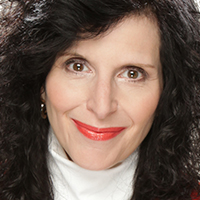
Unveiling Entrepreneurial Success with Randi Brill
Randi Brill, best-selling author and CCO of Just Call Randi Design Agency discusses unveiling entrepreneurial success on Alan Olsen‘s American Dreams Show. Transcript: Alan Olsen Hi, this is Alan Olsen and welcome to American Dreams. My guest today is Randy brill. Ready welcome to today’s show. Randi Brill Thank you, Alan. I’m glad to be here. …