
Unstable Stock Market Could Hurt State Tax Budgets

While many feel the wealthy should be paying more in taxes, the efforts to enforce this strategy does have some consequences for state budgets. Many of the country’s wealthiest individuals hold the majority of their wealth in stocks. That means when the stock market goes down, so do the tax payments of the wealthy.
In fact, several states are currently feeling a pinch in their budgets thanks to the less than favorable conditions of the market. For example, Connecticut governor Dannel Malloy announced budget cuts late last year blaming the stock market’s lackluster performance. Budget analysts expect at least a $200 million deficit, and the governor has already announced several cutbacks.
Meanwhile, in California, the state is also expecting less revenue from capital gains this year and in New York lawmakers have been told to lower their expectations for the state’s upcoming fiscal year. While not all states are affected by the stock market, those that count many of the wealthiest individuals as residents can be hurt dramatically when the stock market takes a downturn.
Another sign that higher taxes could be hurting states’ budgets is happening in Connecticut where some lawmakers believe that many of the state’s wealthiest individuals are moving to other states in order to avoid Connecticut’s high tax rates on the wealthy. With so many high net earners in the state being affected by new efforts to raise taxes on the wealthy, the state’s budget is taking an even greater hit.
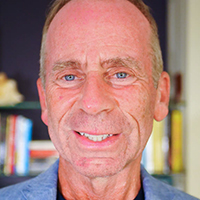
Mark Sadovnick Talks Leadership, Authenticity, and Making an Impact
Mark Sadovnick, Managing Partner at 5th Element Group discusses leadership, authenticity, and making an Impact on Alan Olsen‘s American Dreams Show. Transcript: Alan Olsen Welcome to American Dreams. My guest today is Mark Sadovnick. Nick, Mark, welcome to today’s show. Mark Sadovnick It’s great to be here. Alan, thanks for inviting me. Alan Olsen So, Mark,…
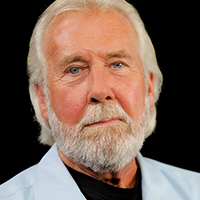
Preserving My Family’s Life’s Work & Legacy
Tom Chatham, Chairman of Chatham Created Gems & Diamonds, Inc., discusses preserving his family’s legacy and life’s work on Alan Olsen‘s American Dreams Show. Transcript: Alan Olsen Welcome to America dreams. My guest today is Tom Chatham. Welcome to today’s show. Tom Chatham Thank you glad to be here. Alan Olsen So, Tom, we’ve had…
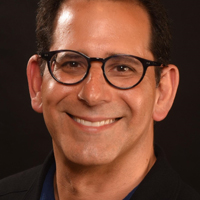
Mastering Business Growth with Howard Shore
Howard Shore, Founder and CEO of Activate Group Inc. discusses managing, even mastering, business growth and the challenges growing quickly can present on Alan Olsen‘s American Dreams Show. Transcript: Alan Olsen Welcome to American Dreams. My guest today is Howard Shore. Howard, welcome to today’s show. Howard Shore Alan, thank you for having me. Alan…
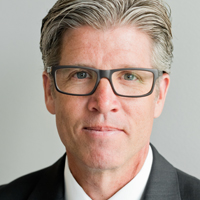
Prosperity and Self-Reliance Zealot Steve Alder
From North America to Ghana, Africa, Steve Alder, President of Ensign Global College (www.ensign.edu.gh), sits down to discuss how a professor helps to build global prosperity and self-reliance on Alan Olsen‘s American Dreams Show. Transcript: Alan Olsen Welcome to American Dreams I’m visiting here today with Steve Alder. Steve, welcome to today’s program. Steve Alder Thank…