
Five Keys to a Successful Family Business
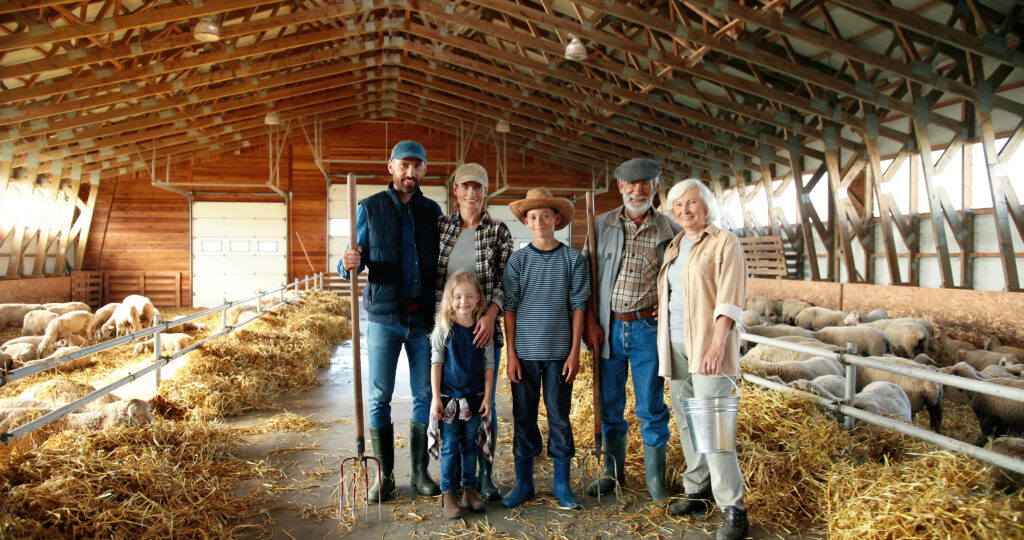
The Community Leaders of a Family Business
(Five Keys to a Successful Family Business)
Written by Ryan Hickman.
Family businesses have been an essential component of the global economy for centuries. These companies are often characterized by their tight-knit management structures, long-term perspective, and commitment to preserving family values. However, running a family business can be challenging, and only a few make it past the first generation. Let us explore the unique aspects of family businesses, the advantages and disadvantages, and the importance of effective leadership in ensuring their success.
In an interview with Lee Brower entitled “Empowering Leaders of Family Businesses,” Alan Olsen sits down with Brower, a successful entrepreneur, and expert in family dynamics, to discuss his experience in family businesses and share valuable insights into what it takes to build a successful family business. Here is a link to their conversation:
Empowering Leaders of Family Businesses – Lee Brower

The American Dream
One of the unique aspects of a family business is the intertwined relationship between the family and the company. Family businesses often have a strong sense of identity and purpose, which is often tied to the family’s values and beliefs. This connection can provide a sense of stability and consistency that is not always present in non-family businesses.
While we all know the American dream revolves around establishing yourself in the United States, it also extends beyond your generation to that of your children. Education within these families can brew success and support throughout history and the world. Your example can serve the next generation as they manage the communities and dreams we leave behind.
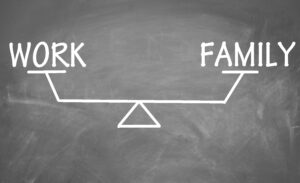
Key #1 Is it Personal?
The proximity among the family can also create challenges. Brower notes that one of the most significant issues in a family business is the tension between family members and business decisions. Family members often have competing interests, personal agendas, and varying levels of involvement in the business. As a result, it can be challenging to balance these competing interests and make decisions that are in the best interest of the company.
The active role of the family members in business requires a separation between the two. Business success requires respect for managing expectations and making hard decisions. This may include layoffs, downsizing, and product rollbacks. While these can be harsh challenges, individual care for the well-being of members creates an environment to support one another and voice concerns.

#2 Involving the Next Generation
Another critical aspect of family businesses is succession planning, which Brower notes is often the biggest challenge for family businesses. Succession planning involves selecting and preparing the next generation of family members to take over leadership roles in the company. Brower emphasizes the importance of starting the process early, providing the necessary training, and creating a clear plan that outlines the roles and responsibilities of each family member.

#3 The Blend of Family Leaders
Effective leadership is critical in ensuring the success of family businesses. Brower notes that leaders of family businesses are unique, in that they require both business acumen and an understanding of family strengths. Leaders must be able to navigate the complexities of family relationships while making sound business decisions. Additionally, leaders must be able to establish clear boundaries between the family and the company, ensuring that personal relationships do not interfere with business operations.

#4 Long-term Establishments
One advantage of family businesses is their long-term perspective. Family businesses often have a long-term outlook, focusing on building a sustainable business that can be passed down to future generations. This long-term focus can provide stability and consistency, as well as a commitment to preserving the company’s values and legacy.
However, this long-term perspective can also create challenges. Brower notes that family businesses can become complacent and resistant to change, particularly as the business passes from one generation to the next. To avoid this, leaders must be willing to embrace change and innovation while preserving the company’s core values and identity. As society continues development, cooperation between the generations will help the business recognize new avenues and space for the growth of the company.

#5 Fostering a Community
Another advantage of family businesses is their ability to foster loyalty and responsibility among employees. Family businesses often have a strong culture that emphasizes loyalty, hard work, and a sense of community. This culture can create a sense of belonging among employees, leading to increased job satisfaction, retention, and productivity.
Again, this loyalty can also create challenges. Brower notes that family businesses can sometimes become too insular, failing to embrace new ideas and perspectives from outside the family. To avoid this, leaders must be willing to seek out new ideas and perspectives, leveraging the expertise and insights of external advisors and consultants.
The Value of Family Businesses
Family businesses are a unique and important component of the global economy. These companies offer numerous advantages, including a long-term perspective, a strong sense of identity, and a commitment to preserving family values. However, family businesses also face unique challenges, including tensions between family dynamics and business decisions, succession planning, and the need for effective leadership.
Leaders of family businesses must be able to navigate these challenges in the society and world we live in today. As large corporations continue to expand throughout the world, the bottom line has replaced vision and well-being. However, the long-standing tradition of family businesses continues to play a critical role in communities nationwide.
Written by Ryan Hickman
We hope you found this article helpful.
To receive our free newsletter, contact us here.
Subscribe to our YouTube Channel for more updates.
If you have questions or need expert tax or family office advice that’s refreshingly objective (we never sell investments), please contact us or visit our Family office page or our website at www.GROCO.com. Unfortunately, we no longer give advice to other tax professionals gratis.
Considerately yours,
GROCO, GROCO Tax, GROCO Technology, GROCO Advisory Services, GROCO Consulting Services, GROCO Relationship Services, GROCO Consulting/Advisory Services, GROCO Family Office Wealth, and GROCO Family Office Services.
Legacy Builders Philanthropic Revolution
Legacy Builders Conference Inspires Philanthropic Revolution The recent “Legacy Builders” event has sparked a philanthropic revolution, inspiring attendees to leverage their accumulated wealth for world betterment. The event, held on May 15, 2024, in San Jose, CA, featured distinguished speakers including NFL legend and HGGC Partner Steve Young¹, retired three-star General Michael Barbero², and Becky…

Transform Your Life Every Morning, Hal Elrod
Hal Elrod, an international keynote speaker and best selling author of 12 books, including “The Miracle Morning“—which has been translated into 42 languages discusses how to transform your life a little every morning on Alan Olsen‘s American Dreams Show. Transcript: Alan Olsen Welcome to American Dreams. My guest today is Hal Elrod. Hal welcome to today’s show. …

Rob Ryan’s Amazing Movie Premiere June 28th on How He Saved the Internet
The Hollywood movie premiere of the Rob Ryan story is a cinematic tribute to innovation. This remarkable film documents the real-life journey of this visionary from crisis to triumph and how he saved the internet! On June 28th at 9:30 PM in the iconic TCL Chinese Theatre. For tickets, click here. Rob Ryan, Founder…

Early Detection Saves Lives with Steve Marler
Steve Marler, Founder of Advanced Longevity discusses how early detection can save lives and overcoming a broken healthcare system on Alan Olsen‘s American Dreams Show. Transcript: Alan Olsen Welcome to American Dreams. My guest today is Steve Marler. Steve, welcome to the show. Steve Marler Thank you. It’s great to be here. Alan Olsen So Steve,…