
Huge Decisions Loom for Lawmakers on Obamacare Taxes
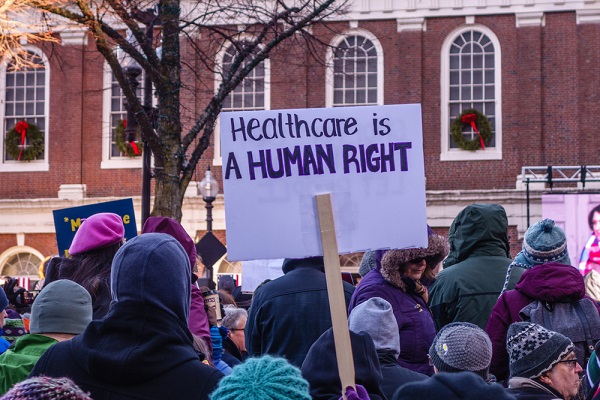
One of the biggest calling cards of the Republican Party for the last several years, including President Donald Trump, has been to repeal the Affordable Care Act, also known as Obamacare. Although Obamacare has faced much opposition throughout its existence, recent polls suggest that most Americans don’t want it repealed, especially if there is nothing to replace it.
Still, republican lawmakers are undeterred in their efforts to scrap it. However, there are several significant taxes issues that must resolved, namely which taxes should they repeal. Make no mistake, republicans hate the Obamacare taxes, but some feel that they should keep them to help pay for their replacement plan. The taxes in question include:
- Net Investment Income Tax – this would automatically eliminate the 3.8 percent tax on capital gains.
- Health Insurance Tax – Health insurance providers are forced to pay this annual fee based on their market share.
- Medicare Surtax – This tax on the wealthy created an extra $7.3 billion for the government, so eliminating it would help anyone earning more than $200,000 (single filer) or $250,000 (joint filer) a year.
- Cadillac Tax – this is set to begin in 2020, but many lawmakers from bot sides oppose it, as it would be a huge tax on those with high-cost health plans, including many democratic-backed unions.
- Prescription Drug Tax – repealing this would help businesses that make or import branded prescription drugs and have to pay huge fees for doing so.
- Tanning Tax – this contributed to many tanning salons going out of business
- Medical Expenses Deduction Cap – this raised the threshold for deducting medical expenses from 7.5 percent to 10 percent.
- Flexible Spending & Health Savings Accounts – these placed lower limits on the amounts people can add to them and raised the penalties for using the money on anything other than medical expenses.
- Mandate Penalties – these are the penalties that people must pay if they choose not to have health insurance.
Each of these taxes could en up on the chopping block, but it remains to be seen which ones will be officially repealed and which ones will survive.
http://thehill.com/policy/finance/317880-gop-faces-big-decision-on-obamacare-taxes

Legacy Builders Philanthropic Revolution
Legacy Builders Conference Inspires Philanthropic Revolution The recent “Legacy Builders” event has sparked a philanthropic revolution, inspiring attendees to leverage their accumulated wealth for world betterment. The event, held on May 15, 2024, in San Jose, CA, featured distinguished speakers including NFL legend and HGGC Partner Steve Young¹, retired three-star General Michael Barbero², and Becky…

Transform Your Life Every Morning, Hal Elrod
Hal Elrod, an international keynote speaker and best selling author of 12 books, including “The Miracle Morning“—which has been translated into 42 languages discusses how to transform your life a little every morning on Alan Olsen‘s American Dreams Show. Transcript: Alan Olsen Welcome to American Dreams. My guest today is Hal Elrod. Hal welcome to today’s show. …

Rob Ryan’s Amazing Movie Premiere June 28th on How He Saved the Internet
The Hollywood movie premiere of the Rob Ryan story is a cinematic tribute to innovation. This remarkable film documents the real-life journey of this visionary from crisis to triumph and how he saved the internet! On June 28th at 9:30 PM in the iconic TCL Chinese Theatre. For tickets, click here. Rob Ryan, Founder…

Early Detection Saves Lives with Steve Marler
Steve Marler, Founder of Advanced Longevity discusses how early detection can save lives and overcoming a broken healthcare system on Alan Olsen‘s American Dreams Show. Transcript: Alan Olsen Welcome to American Dreams. My guest today is Steve Marler. Steve, welcome to the show. Steve Marler Thank you. It’s great to be here. Alan Olsen So Steve,…