
Why Are the Ultra-Wealthy So Good at Avoiding Taxes?

While many in the media, as well many lawmakers on the left, would have you believe that the nation’s wealthiest individuals are really good at skipping out on their taxes and that they don’t pay their fair share, the fact is, in most cases, that’s not true. Yes, it is true that many of he richest people in America pay fewer taxes than most of their employees. However, they use perfectly legal means to accomplish that.
So to be clear, while the rich might pay less than some people think is fair, that does not mean they cheat on their taxes. In fact, the rich manage to achieve this feat simply by doing one of two things. They either know how to manage their money and finances very well, or they hire someone to do it for them. Tax planning is an art, and when done right the nation’s wealthiest individuals avoid paying more than they legally have to.
Again, they are not cheating they are just being smart. There are several methods the rich, and their tax planners, use to keep their tax bills down. Whether it’s through prudently managing capital gains, modifying your income, using proper borrowing strategies or through tax deferral, all these measures are legal and will keep your tax bill down.
If you count yourself among the nation’s wealthier class and you are looking for ways to save more money on your tax bill, then you should contact GROCO. We have been helping wealthy individuals manage their money and plan for their taxes for decades and we can help you too. Please contact us for more information by clicking here or give us a call at 1-877-CPA-2006.
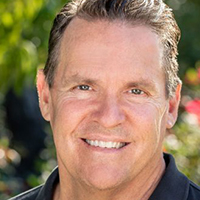
Chester Wooley on Where Philanthropy and Venture Capital Meet
Geoff “Chester” Wooley, Co-founder Patamar Capital and current board member of SKS Microfinance, India’s largest microfinance bank, discusses where philanthropy and venture capital meet on Alan Olsen‘s American Dreams Show. Transcript: Geoff Woolley 0:00 Philanthropy and a family office’s investing is quite separate from each other. Depending on the size of the family office, its foundation or…
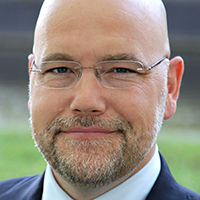
The Future of ESG and Impact Investing with Michael Meehan
Michael Meehan, Co-founder, Canoe Carbon, Forum for Impact, and former CEO, GRI discusses the future of ESG and impact investing on Alan Olsen‘s American Dreams Show. Transcript: Alan Olsen Michael, you have a remarkable story. And for the listeners here, can you share your background and how it got you to where you are today? Michael…

Becky Douglas on Transforming Leprosy Colonies in India
Becky Douglas, founder of Rising Star Outreach, a non-profit dedicated to saving and transforming the lives of children and their parents affected by leprosy in India, discusses how it became reality on Alan Olsen’s American Dreams Show. Rising Star Outreach born from tragedy. Becky’s journey to helping leper colonies in India began with a personal tragedy that transformed…
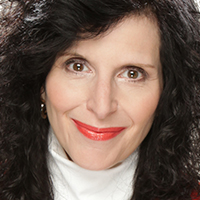
Unveiling Entrepreneurial Success with Randi Brill
Randi Brill, best-selling author and CCO of Just Call Randi Design Agency discusses unveiling entrepreneurial success on Alan Olsen‘s American Dreams Show. Transcript: Alan Olsen Hi, this is Alan Olsen and welcome to American Dreams. My guest today is Randy brill. Ready welcome to today’s show. Randi Brill Thank you, Alan. I’m glad to be here. …